Archaeologists recently discovered the wreck of a large medieval cargo ship on the seafloor off the Danish coast, providing new insights into medieval trade and maritime life. The shipwreck, dubbed Svaelget 2 by researchers, was found during a seabed survey conducted in preparation for a construction project in Copenhagen, Denmark.
The vessel, a cog-type merchant ship, lay on its side, partially buried in the sand, approximately 12 meters below the surface of the Øresund, the strait separating Denmark and Sweden. Dendrochronological analysis, comparing tree rings from the wreck's wooden planks with precisely dated tree samples, indicated the ship was constructed around 1410 CE. The ship's original name is unknown.
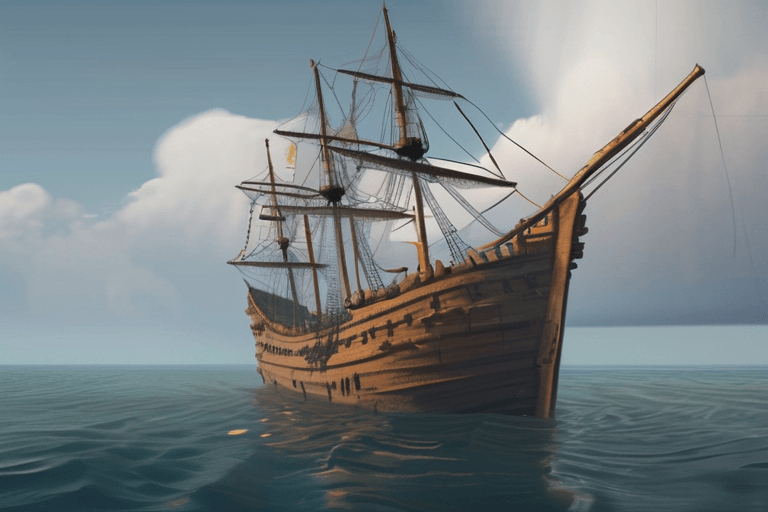
Cogs were wide, flat-bottomed ships with high sides, open cargo holds, and a single square sail, commonly used for trade during the medieval period. The size of Svaelget 2 suggests a significant capacity for transporting goods across the Baltic Sea. The discovery offers a rare opportunity to study the construction techniques and trade routes of the era. The Viking Ship Museum is credited with the image of the wreck.
The find contributes to a broader understanding of medieval maritime technology and economic activity. Further investigation of the wreck and its contents is expected to reveal more about the types of goods transported, the ship's crew, and the daily life of seafarers during the 15th century. The archaeologists plan to continue their examination of the site, hoping to recover artifacts and further analyze the ship's structure.
















Discussion
Join the conversation
Be the first to comment