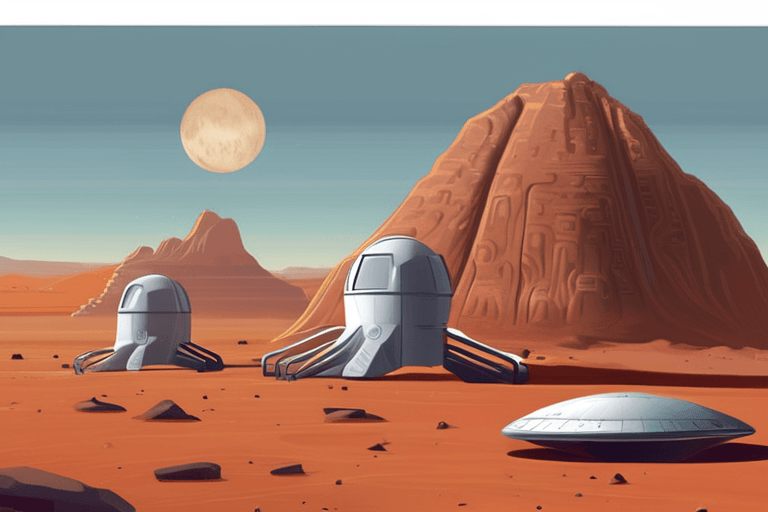
NASA will no longer bring Martian rock samples back to Earth, a decision that will result in the loss of significant scientific opportunities, according to a recent report in Nature. The change in plans stems from budgetary constraints and revised risk assessments, impacting the scope of the Mars Sample Return (MSR) mission.
The MSR mission, initially conceived as a collaborative effort between NASA and the European Space Agency (ESA), aimed to retrieve samples collected by the Perseverance rover. These samples, carefully selected for their potential to reveal evidence of past or present Martian life, were to be returned to Earth for in-depth analysis using advanced laboratory equipment unavailable on Mars. Scientists had hoped to study the samples to understand the planet's geological history, search for biosignatures, and assess the potential for future human exploration.
According to sources within NASA, the decision to abandon the sample return was driven by a combination of factors. Rising costs, partly attributed to the complexity of the mission and technological challenges, made the original plan unsustainable within the agency's current budget. Furthermore, updated risk assessments highlighted potential contamination risks associated with bringing Martian material back to Earth, prompting a reassessment of the mission's overall feasibility.
In related news, research published in Nature sheds light on the genetic basis for the floppy ears seen in many dog breeds. Scientists have identified specific genes responsible for the development of cartilage and connective tissue in the ears, explaining why some dogs have long, droopy ears while others have erect ears. The study highlights the role of artificial selection in shaping the physical characteristics of domesticated animals. Researchers analyzed the genomes of various dog breeds, pinpointing regions associated with ear morphology. They found that variations in genes related to cartilage formation were strongly correlated with ear size and shape. This discovery provides insights into the genetic mechanisms underlying the diversity of dog breeds and the evolutionary processes that have shaped their traits. The findings contribute to a broader understanding of the genetic basis of morphological variation in animals and the impact of human intervention on animal evolution.




















Discussion
Join the conversation
Be the first to comment