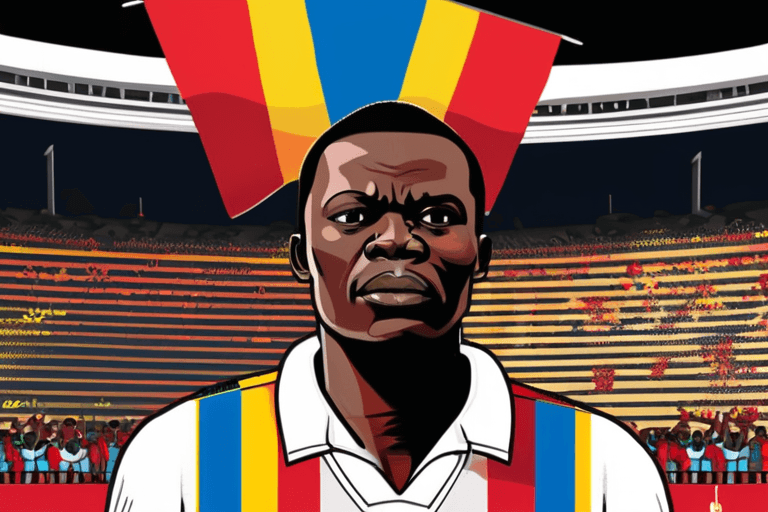
A Congolese fan stood silently for the entire 90 minutes of a recent Africa Cup of Nations match, a powerful tribute to Patrice Lumumba, the Democratic Republic of Congo's first prime minister. The gesture, observed during the Group B match between DR Congo and Guinea, highlighted the enduring legacy of Lumumba, a leader who symbolized independence and self-determination for many Africans. DR Congo and Guinea drew 1-1.
The fan's motionless stance served as a stark reminder of Lumumba's assassination in 1961, a tragedy that many believe was orchestrated with the involvement of Western powers seeking to maintain control over the Congo's vast resources. "It's about remembering our history and the sacrifices made for our freedom," said a Congolese supporter outside the stadium, who declined to give their name. "Lumumba's vision for a truly independent Congo is still something we strive for."
Patrice Lumumba's rise to power coincided with a period of intense decolonization across Africa. His fiery speeches and unwavering commitment to Congolese sovereignty resonated deeply with people across the continent. However, his socialist leanings and determination to control the Congo's mineral wealth made him a target for Western governments and corporations. His assassination, just months after taking office, left a void in Congolese politics and cast a long shadow over the country's subsequent development.
The AFCON tournament itself has often been viewed through the lens of colonialism and its aftermath. For many African nations, football represents a chance to assert their national identity and pride on the world stage, a symbolic victory over the forces that once dominated their lands. The success of teams like Senegal, the reigning champions, and Algeria, who won the tournament in 2019, is often seen as a testament to the resilience and potential of African nations.
The silent protest at the DR Congo game underscores the complex relationship between sports, politics, and history in Africa. While the focus is on the competition on the field, the legacy of colonialism and the struggle for independence continue to resonate deeply with fans and players alike. The next match for DR Congo is against Tanzania on January 21st, and it remains to be seen if similar displays of remembrance will occur. The Confederation of African Football has not yet commented on the fan's actions.


















Discussion
Join the conversation
Be the first to comment