NASA will no longer bring Martian rock samples back to Earth, according to a recent announcement, a decision that will impact planned scientific research. The change in plans, detailed in the Nature Briefing Podcast on January 16, 2026, stems from budgetary constraints and revised mission assessments.
The original Mars Sample Return (MSR) mission aimed to collect and return samples of Martian rocks and soil to Earth for in-depth analysis, searching for potential biosignatures and furthering our understanding of the planet's geological history. Scientists had hoped to use advanced laboratory equipment unavailable on Mars to study the samples, potentially revolutionizing our understanding of the red planet. The decision means that certain scientific investigations, particularly those requiring terrestrial lab equipment, will not be possible.
In related genetic research, scientists have made progress in understanding the genetic basis for floppy ears in dogs. The Nature Briefing Podcast also highlighted research into the genetics of dogs' droopy ears, revealing specific genes responsible for this trait. This research sheds light on the domestication process and the genetic changes that have occurred as dogs were selectively bred for various traits.
The study of canine genetics utilizes advanced AI algorithms to analyze large datasets of genomic information, identifying correlations between specific genes and physical characteristics. These AI-driven analyses allow researchers to pinpoint the genes responsible for traits like ear shape with greater accuracy and speed than traditional methods. The findings have implications for understanding the genetic basis of other inherited traits in animals and potentially even humans.
Funding for both planetary science and genetics research remains a critical factor in driving scientific progress. The decision to forgo the Mars sample return highlights the challenges of balancing ambitious scientific goals with budgetary realities. Meanwhile, continued investment in genetics research, including the use of AI-powered tools, promises to unlock further insights into the complexities of the genome.
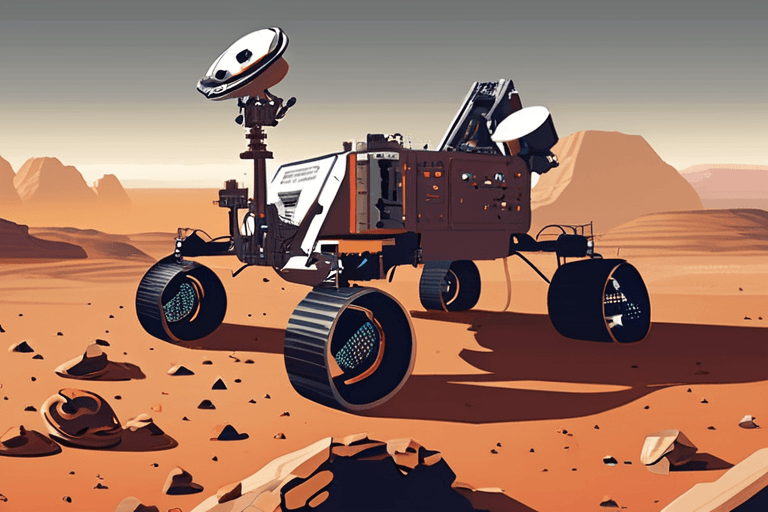
The future of Mars exploration remains focused on in-situ analysis and remote sensing, with ongoing missions like the Perseverance rover continuing to collect data and conduct experiments on the Martian surface. While the return of samples to Earth would have provided invaluable scientific opportunities, researchers will continue to explore Mars using the tools and resources currently available.
















Discussion
Join the conversation
Be the first to comment