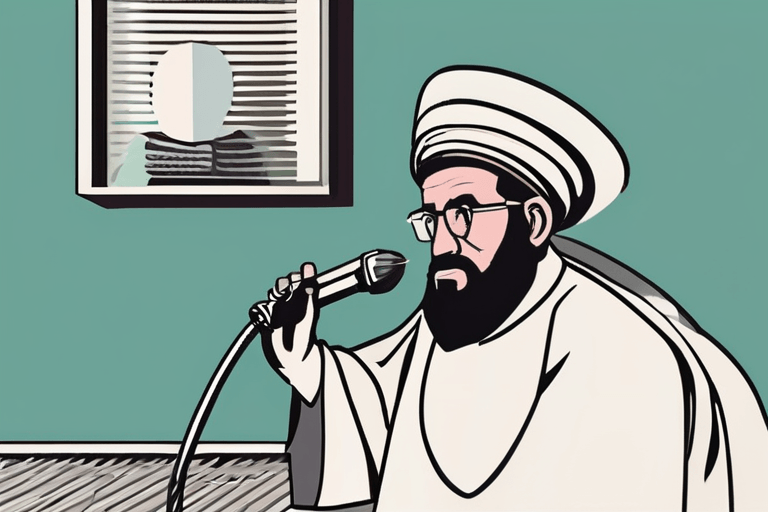
In Iran, an uneasy calm settled after recent widespread protests met with a severe government crackdown, while a prominent hard-line cleric publicly advocated for the execution of arrested demonstrators and issued a direct threat against U.S. President Trump, signaling the intensity of the government's response. The Associated Press reported Friday from Dubai that senior cleric Ahmad Khatami's statement underscored the government's hard-line stance.
President Trump, however, adopted a more diplomatic tone, expressing gratitude to Iranian leaders for refraining from executing hundreds of detained protesters, suggesting a potential de-escalation of military tensions. Trump had previously identified executions and the killing of peaceful protesters as potential triggers for U.S. action against Iran.
The protests, which began on Dec. 28 due to Iran's struggling economy, appear to have been suppressed through harsh measures that reportedly resulted in several thousand deaths. The government's response involved restricting internet access, hindering the flow of information regarding the protests and the government's actions. This internet blackout raises concerns about the use of AI-powered censorship and surveillance technologies, which can be used to identify and suppress dissent.
The situation highlights the ethical considerations surrounding AI in authoritarian regimes. Facial recognition technology, for example, can be used to identify protesters, while natural language processing can be employed to monitor online communications and detect anti-government sentiment. The use of these technologies raises concerns about privacy, freedom of expression, and the potential for abuse.
The current status indicates a tense standoff, with the Iranian government attempting to maintain control through repressive measures and the U.S. signaling a desire to avoid further escalation. Future developments will likely depend on the Iranian government's handling of detained protesters and the U.S. response to any further human rights violations. The international community will be closely monitoring the situation, with potential implications for Iran's relations with other countries and the stability of the region.

















Discussion
Join the conversation
Be the first to comment