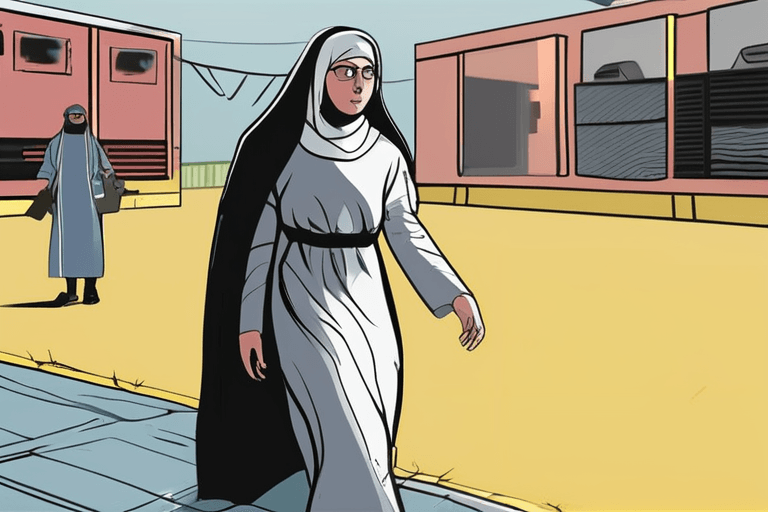
An Iranian protester, identified only as A. due to safety concerns for her family, recently left Iran after participating in several days of protests against the government. According to the U.S.-based Human Rights Activist News Agency, at least 3,000 people in Iran have died in these protests, with many more detained.
The protests, fueled by calls for reforms, regime change, and in some instances, the return of Reza Pahlavi, the son of the former Shah, have been met with a violent government response, as evidenced by images trickling out of the country despite an internet blackout. A., speaking with NPR's Scott Simon, witnessed some disturbing events during her time protesting.
The internet blackout imposed by the Iranian government has made it difficult to independently verify the information regarding casualties and the extent of the government's response. This tactic, often employed by authoritarian regimes, limits the flow of information and hinders the ability of international observers to accurately assess the situation on the ground.
The protests reflect deep-seated discontent within Iranian society, stemming from economic hardship, political repression, and a lack of social freedoms. The calls for the return of Reza Pahlavi, whose father was deposed in the 1979 revolution, highlight a yearning for a different political system among some segments of the population.
The current status of the protests remains unclear due to the ongoing internet restrictions. The international community continues to monitor the situation, with human rights organizations calling for an end to the violence and the release of detained protesters. The future of the protests and their potential impact on the Iranian government remain uncertain.
















Discussion
Join the conversation
Be the first to comment