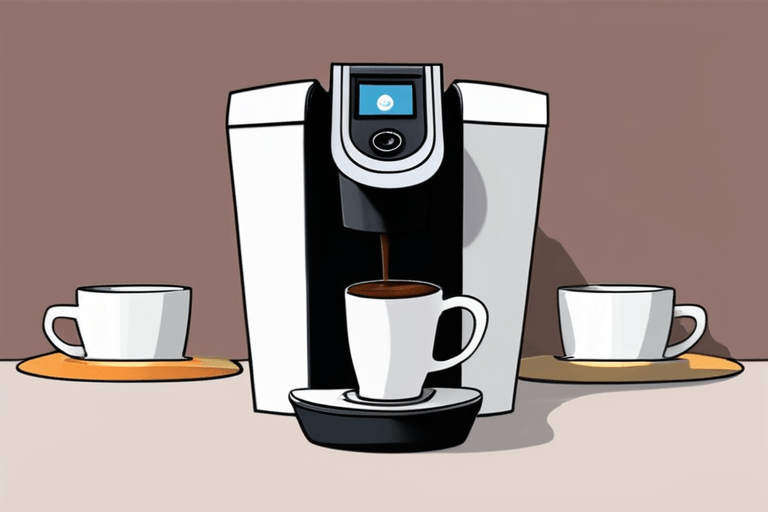
The morning ritual: the whir of the Keurig, the promise of caffeine, the first sip of coffee. But what happens when that first sip tastes…off? If your Keurig is churning out something less than stellar, chances are it's time for a cleaning intervention. Like any well-used appliance, Keurigs are prone to buildup and gunk, impacting both the flavor of your coffee and the longevity of the machine itself.
The problem isn't just aesthetic; it's a matter of performance. Hard water deposits, coffee oils, and stray grounds can accumulate, clogging internal components and hindering the brewing process. This buildup forces the machine to work harder, potentially leading to overheating and eventual failure. Moreover, nobody wants to drink coffee that tastes like yesterday's brew.
Fortunately, keeping your Keurig in tip-top shape doesn't require a degree in appliance repair. A consistent cleaning routine, encompassing both daily maintenance and deeper cleans, can keep your coffee tasting fresh and your machine running smoothly for years to come.
Daily maintenance is surprisingly simple. A quick wipe-down of the exterior housing with a damp cloth keeps things looking presentable. More importantly, addressing the K-Cup holder and needle is crucial. Loose coffee grounds are a common culprit, easily dislodged with a brush or even a vacuum cleaner. Exercise caution around the needle, as it's designed to puncture K-Cups and can be sharp. Some Keurig models include a dedicated needle cleaning tool, designed to be inserted into both the top and bottom of the needle. In a pinch, some users have found that a straightened paper clip can also do the trick, but proceed with caution to avoid damaging the needle.
For a deeper clean, descaling is essential. Descaling removes mineral buildup, primarily calcium and lime, that accumulates from hard water. Keurig sells its own descaling solution, but a mixture of equal parts white vinegar and water can be equally effective. Run the descaling solution through a full brewing cycle, without a K-Cup, and then follow with several cycles of fresh water to rinse away any residual vinegar taste.
The frequency of descaling depends on the hardness of your water. If you live in an area with hard water, descaling every three months is recommended. For softer water, you can extend the interval to every six months. Ignoring descaling can lead to significant performance issues and even void your Keurig's warranty.
"Regular cleaning isn't just about taste; it's about extending the life of your appliance," says appliance repair technician, Mark Johnson. "Mineral buildup can cause heating elements to fail and pumps to work harder, leading to premature wear and tear. A little maintenance goes a long way."
Looking ahead, Keurig and other pod coffee maker manufacturers are exploring ways to simplify the cleaning process. Some newer models feature automated cleaning cycles and descaling reminders. Others are incorporating materials that are less prone to mineral buildup. The future of coffee brewing may involve self-cleaning capabilities, further reducing the burden of maintenance on the user. Until then, a consistent cleaning routine remains the best way to ensure a delicious cup of coffee, day after day.


















Discussion
Join the conversation
Be the first to comment