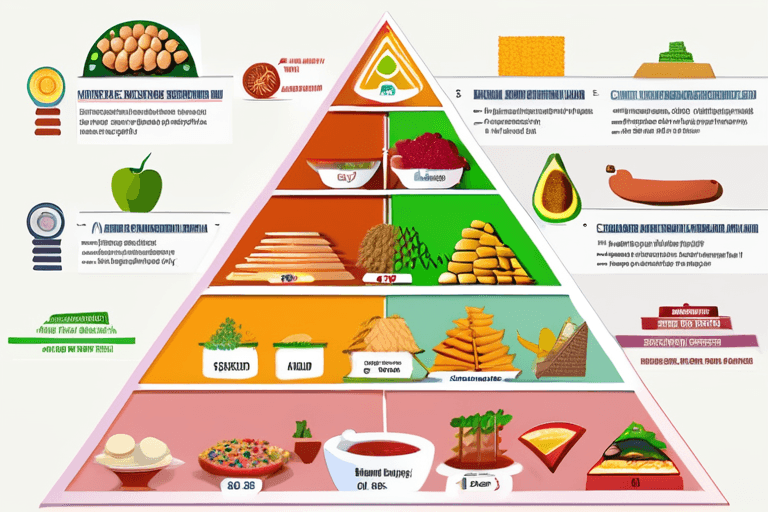
Health Secretary Robert F. Kennedy Jr. recently unveiled a revised food pyramid as part of the Make America Healthy Again (MAHA) movement, signaling a shift in dietary recommendations for Americans. The new guidelines prioritize fat and protein, particularly from animal sources, while discouraging processed carbohydrates and added sugar.
These changes are expected to significantly impact American eating habits, although MAHA is not the only factor influencing these trends. Liz Dunn, author of the newsletter Consumed, shared her predictions for how Americans will eat in 2026 on the podcast Today, Explained.
Dunn anticipates that the focus on protein will intensify. "What comes after peak protein will be more protein," Dunn stated, suggesting that the current emphasis on protein consumption will continue to grow.
The MAHA movement aims to improve public health by promoting healthier eating habits. The inverted food pyramid is a key component of this initiative, providing a visual guide to the recommended proportions of different food groups.
While MAHA advocates for reduced sugar intake, Dunn predicts that sugar-laden drinks will become even sweeter. This divergence highlights the complex interplay of factors shaping dietary choices, with consumer preferences and industry trends potentially counteracting government recommendations.
The predictions also include an increase in the consumption of supplements, a trend that aligns with MAHA's emphasis on nutritional optimization. This suggests that Americans are becoming more proactive about their health and seeking ways to enhance their diets.
The long-term effects of MAHA and these evolving trends remain to be seen. However, they are poised to reshape the American food landscape and influence public health outcomes in the years to come. The full conversation with Liz Dunn can be found on Today, Explained, available on various podcast platforms including Apple Podcasts, Pandora, and Spotify.














Discussion
Join the conversation
Be the first to comment