European leaders are grappling with the potential unraveling of the long-standing U.S.-Europe alliance in response to President Trump's recent actions, including his pursuit of acquiring Greenland and escalating trade tensions. The question of whether resisting President Trump's territorial ambitions risks irreparable damage to the relationship between Europe and the United States is being debated in capitals across Europe.
President Emmanuel Macron of France and Lars Klingbeil, Germany's finance minister, are among those urging European nations to consider a strong economic response to President Trump's tariff threats. These leaders are advocating for a unified European front in response to what they perceive as provocations from the U.S. administration.
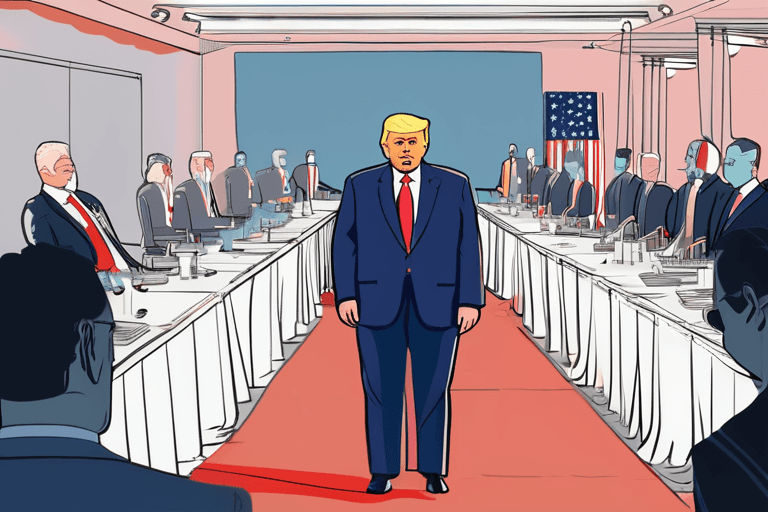
Leaders from across Europe are scheduled to convene in Brussels this week to formulate a coordinated response to President Trump's policies. The meeting aims to address concerns about the future of the transatlantic alliance and to explore potential strategies for navigating the increasingly strained relationship with the United States.
Observers of European politics suggest that the alliance between Europe and the United States, forged in the aftermath of World War II, has undergone fundamental changes. The shift in dynamics is attributed to a combination of factors, including diverging policy priorities and evolving geopolitical landscapes.
The current situation stems from President Trump's expressed interest in purchasing Greenland, a self-governing territory within the Kingdom of Denmark. The proposal was met with resistance from Danish officials, who affirmed that Greenland is not for sale. This pursuit, coupled with ongoing trade disputes and tariff threats, has raised concerns among European leaders about the stability and reliability of the United States as an ally.



















Discussion
Join the conversation
Be the first to comment