A shiver runs down the spine, not just from fear, but from anticipation. Indonesian filmmaker Joko Anwar, a name synonymous with modern Asian horror, is poised to unleash his latest creation, "Ghost in the Cell," upon the world. The film, a horror-comedy hybrid, is set to premiere at the prestigious Berlin Film Festival's Forum section, offering a tantalizing glimpse into Anwar's unique brand of cinematic storytelling.
Anwar's rise to prominence has been a significant moment for Indonesian cinema. He has consistently pushed boundaries, blending social commentary with genre thrills in films like "Satan's Slaves" and "Impetigore," both of which garnered international acclaim and cemented his reputation as a master of the macabre. His work resonates globally because it taps into universal anxieties while remaining deeply rooted in Indonesian culture and folklore.
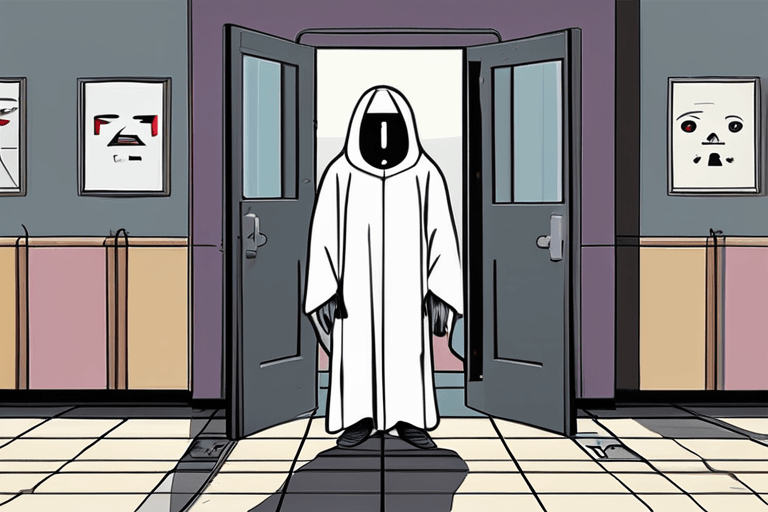
"Ghost in the Cell" takes place within the confines of an Indonesian correctional facility, a setting ripe with tension and desperation. The arrival of a mysterious new prisoner, accompanied by a malevolent supernatural entity, throws the already volatile environment into chaos. The entity preys on those with the "darkest aura," leading to a mounting death toll and forcing the inmates to confront not only the supernatural threat but also their own moral failings. The film explores themes of survival, collective action, and the darkness that can reside within the human heart, all wrapped in a package of horror and humor.
The horror genre, particularly in Southeast Asia, often serves as a vehicle for exploring societal anxieties and historical traumas. Anwar's films are no exception. They often reflect the complexities of Indonesian society, touching on issues of class, religion, and the lingering effects of colonialism. "Ghost in the Cell," with its prison setting, could be interpreted as a commentary on the Indonesian justice system and the dehumanizing effects of incarceration.
The inclusion of comedic elements is a deliberate choice, adding another layer of complexity to the narrative. This blend of horror and humor is a hallmark of Anwar's style, allowing him to explore dark themes without succumbing to unrelenting bleakness. It also makes his films more accessible to a wider audience, drawing viewers in with laughter before hitting them with moments of genuine terror.
The Berlin Film Festival premiere is a significant opportunity for "Ghost in the Cell" to gain international exposure and distribution. The festival is known for showcasing innovative and thought-provoking cinema, and Anwar's film is a perfect fit for its Forum section, which highlights experimental and politically engaged works.
As the world awaits the premiere of "Ghost in the Cell," anticipation is building. Joko Anwar has once again crafted a film that promises to be both terrifying and thought-provoking, a testament to his skill as a storyteller and his ability to tap into the deepest fears and anxieties of the human condition. The film's journey from an Indonesian correctional facility to the international stage is a testament to the power of cinema to transcend cultural boundaries and connect with audiences worldwide.

















Discussion
Join the conversation
Be the first to comment