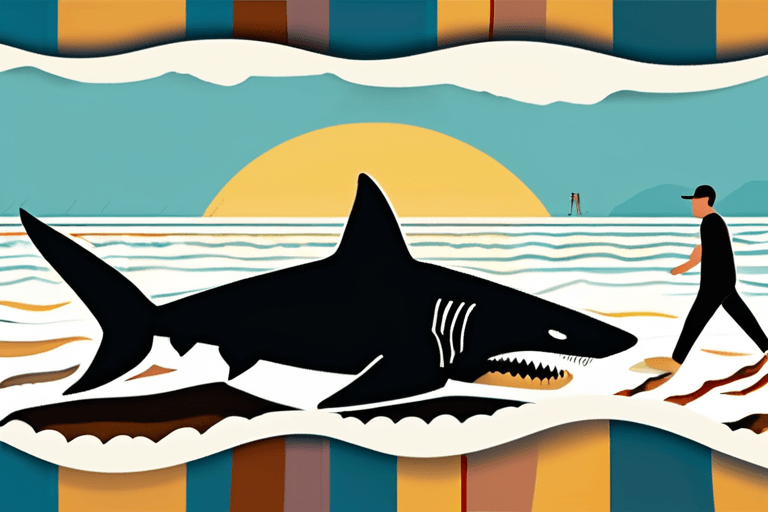
The series of incidents began Sunday afternoon when a shark bit the legs of a boy swimming with friends in eastern Sydney. Authorities reported the boy, believed to be 12 or 13 years old, was critically injured. On Monday, a 27-year-old surfer sustained life-changing injuries after a shark bit his leg off Manly Beach. Fellow beachgoers provided first aid before he was transported to a hospital, according to police. In a separate incident on Monday, an 11-year-old boy escaped injury when a shark bit his surfboard a few miles away. The fourth attack occurred Tuesday morning near Point Plomer Beach, about 200 miles north of Sydney, where a surfer was knocked off his board by a shark and briefly hospitalized with minor injuries, local news media reported.
The increased shark activity prompted immediate action from local authorities, prioritizing public safety. Beach closures are a common response to shark sightings and attacks in Australia, aimed at minimizing the risk of further incidents. Experts suggest a combination of factors may contribute to increased shark activity, including warmer water temperatures, changes in prey migration patterns, and increased human activity in the water.
While shark attacks are relatively rare, Australia has a history of such incidents. Data indicates that the majority of attacks are not fatal. However, the recent cluster of attacks has heightened public concern and sparked debate about shark mitigation strategies. These strategies range from traditional methods like shark nets and drumlines to newer technologies such as sonar detection systems and personal shark deterrent devices.
The closures will remain in effect while authorities assess the situation and implement appropriate safety measures. Lifeguards and marine experts are monitoring the coastline for shark activity. The public is advised to adhere to beach closures and exercise caution in the water.
















Discussion
Join the conversation
Be the first to comment