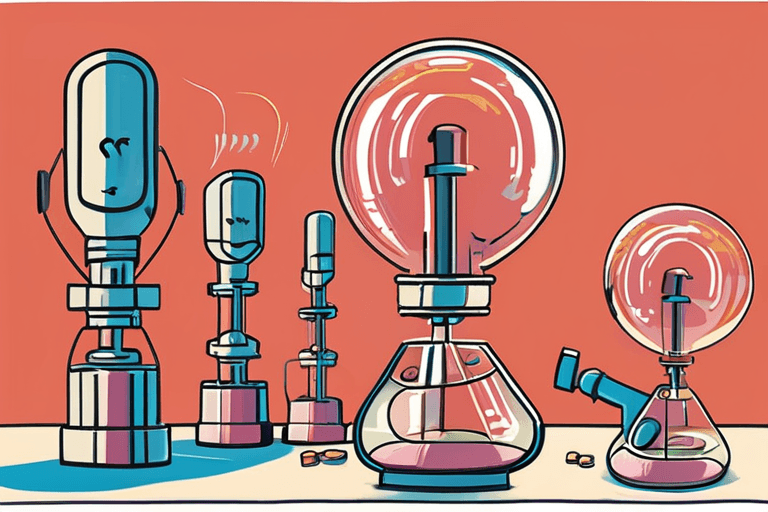
Funding cuts in science research, as highlighted in a recent Nature report (Nature 645, 298-300; 2025), are forcing a re-evaluation of science communication strategies. A potentially undervalued, yet highly effective approach, lies in art-science collaborations, which remain surprisingly rare despite their potential to enhance public engagement and demonstrate the value of scientific endeavors.
The financial implications of these funding cuts are significant. Research institutions face tighter budgets, impacting their ability to conduct crucial studies and disseminate findings effectively. This necessitates a shift towards more cost-effective and impactful communication methods. Art-science collaborations offer a unique opportunity to leverage creative mediums to translate complex scientific concepts into accessible and engaging narratives, potentially attracting broader public support and, consequently, increased funding opportunities. While precise metrics on the return on investment for art-science collaborations are still developing, anecdotal evidence suggests a positive correlation between engaging public outreach and increased grant applications and philanthropic donations.
The market context reveals a growing demand for accessible and engaging science content. Traditional science communication often struggles to reach audiences beyond academic circles. Art-science collaborations can bridge this gap by presenting scientific information in visually appealing and emotionally resonant ways. This approach aligns with the broader trend of "explainable AI," where complex algorithms are demystified through intuitive interfaces and narratives. The success of projects that visualize complex data sets or use artistic representations to explain scientific concepts demonstrates the potential market for this type of communication.
The scientific community has traditionally focused on peer-reviewed publications and academic conferences for disseminating research findings. However, the increasing need for public support and understanding necessitates a broader approach. Art-science collaborations represent a departure from this traditional model, requiring scientists to collaborate with artists, designers, and storytellers. This interdisciplinary approach can lead to more creative and impactful communication strategies, ultimately benefiting the scientific community by fostering greater public trust and support.
Looking ahead, the integration of AI into art-science collaborations holds immense promise. AI-powered tools can assist in generating visualizations, creating interactive experiences, and personalizing science communication for diverse audiences. For example, AI algorithms can analyze scientific data and generate artistic representations that highlight key findings in an engaging and accessible manner. The development of such tools could significantly reduce the cost and complexity of art-science collaborations, making them more accessible to a wider range of research institutions and organizations. As the field of AI continues to advance, its role in facilitating and enhancing art-science communication is likely to become increasingly important.
















Discussion
Join the conversation
Be the first to comment