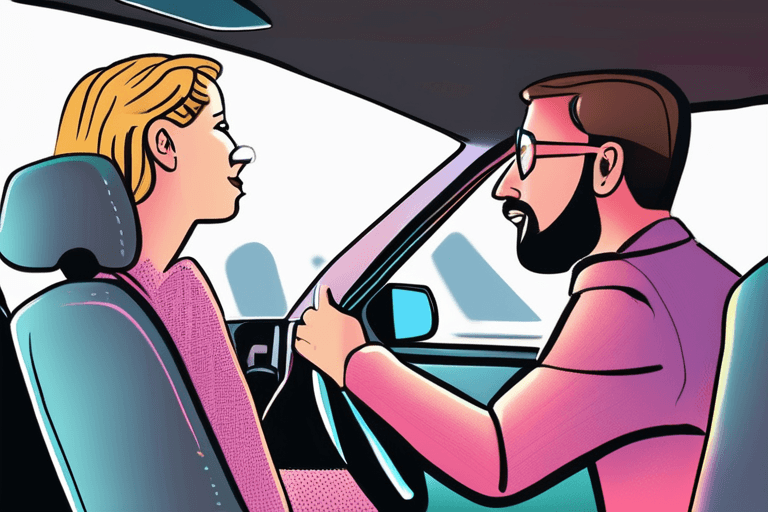
The Driving and Vehicle Standards Agency (DVSA) data showed 2,844 attempts to cheat during driving tests in the year leading up to September 2025, a 47 percent increase compared to the previous year. More than a third of these attempts, totaling 1,113 cases, involved the use of technology, primarily earpieces connected via Bluetooth to concealed phones, to gain an unfair advantage during theory tests. Additionally, there were 1,084 instances of individuals attempting to impersonate test candidates. Nearly 100 offenders faced prosecution for either cheating themselves or for acting as impersonators.
While the DVSA attributed the rise in cheating to a general increase in such behavior and improved detection methods, industry leaders pointed to a nationwide shortage of tests and a growing desperation among drivers to obtain licenses. This shortage, exacerbated by factors such as the COVID-19 pandemic and a backlog of canceled tests, has created a competitive environment where some candidates resort to illicit means. The pressure to pass is not unique to the UK. In many countries, a driver's license is essential for employment and social mobility, leading some to seek shortcuts.
The phenomenon of driving test fraud is not isolated to the United Kingdom. Similar issues have been reported in various countries, reflecting a global challenge in maintaining the integrity of driver licensing systems. In some regions, cultural factors may also contribute to the problem, such as a perceived pressure to succeed or a lack of trust in official processes. The DVSA has been investing in enhanced detection methods and working with law enforcement to prosecute offenders. The agency aims to deter future cheating attempts and ensure that all drivers meet the required standards of competence and safety. The DVSA continues to monitor the situation and adapt its strategies to address emerging cheating methods.















Discussion
Join the conversation
Be the first to comment