Lights, camera, potential chaos! Imagine a world where Stephen Colbert has to share his monologue time with, say, Marjorie Taylor Greene. Or Seth Meyers is contractually obligated to give equal airtime to a My Pillow infomercial after eviscerating the latest political gaffe. This isn't a dystopian comedy sketch; it's a very real possibility looming over late-night television, thanks to a recent warning shot fired by the Trump-aligned FCC.
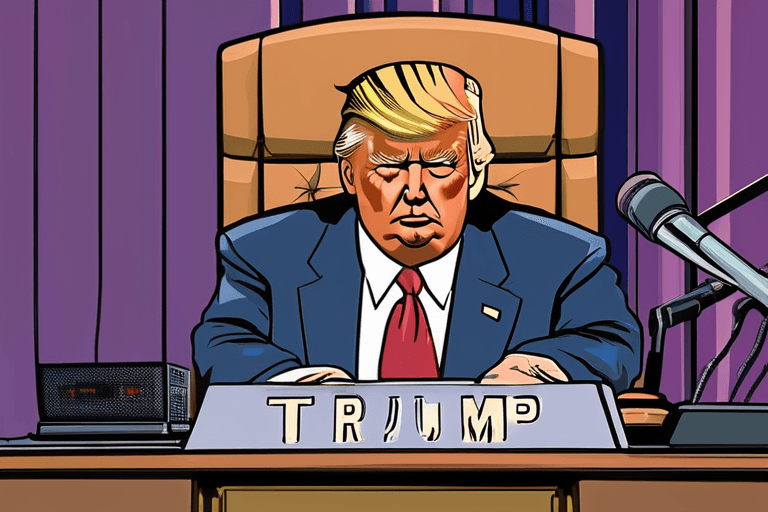
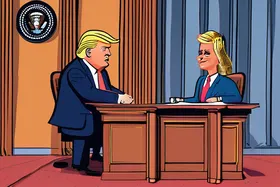
The Federal Communications Commission, currently helmed by Brendan Carr, a known Trump supporter, has issued a public notice hinting at a crackdown on the equal-time rule. This obscure regulation, usually reserved for political advertising, dictates that broadcast stations must provide equal opportunities to opposing political candidates. The FCC's new "guidance" suggests that talk shows, traditionally exempt, might soon fall under its purview.
For decades, late-night and daytime talk shows have operated in a relatively free-wheeling environment, offering comedic commentary and interviews that often lean left. This freedom has been a cornerstone of their appeal, attracting audiences who tune in for a nightly dose of political satire and celebrity banter. Shows like "The Daily Show," "Last Week Tonight," and "The View" have built empires on their ability to dissect current events with a critical, often humorous, eye.
But now, that could all change. The FCC's move is widely seen as a thinly veiled attempt to muzzle perceived liberal bias in broadcasting. Carr has previously targeted Jimmy Kimmel for criticism and even threatened "The View" with the equal-time rule, signaling a clear intent to exert control over content.
"This is about chilling speech," says media analyst Sarah Miller. "The FCC is essentially telling these shows, 'Watch what you say, or we'll make your lives miserable.' It's a blatant attempt to intimidate them into self-censorship."
The implications are far-reaching. If enforced, the equal-time rule could force shows to drastically alter their formats. Imagine Jimmy Fallon having to offer equal time to a Republican strategist after a scathing takedown of Trump's latest tweet. Or "The View" being obligated to invite a conservative commentator to rebut every point made by its liberal hosts.
The potential impact on audience appeal is undeniable. Viewers tune in to these shows for a specific perspective, a particular brand of humor. Diluting that with opposing viewpoints could alienate loyal fans and ultimately damage the shows' ratings.
"People watch these shows because they trust the hosts' opinions," says avid late-night viewer, Mark Johnson. "If they start feeling like they're being force-fed opposing viewpoints, they'll just change the channel."
The FCC argues that broadcast stations are granted access to valuable public airwaves and therefore have a responsibility to present a balanced view. However, critics contend that this argument ignores the fundamental nature of entertainment programming.
The future of late-night and daytime talk shows hangs in the balance. Whether this is a genuine attempt to ensure fairness or a politically motivated power play remains to be seen. One thing is certain: the stakes are high, and the battle for control of the airwaves is just beginning. The question now is, will comedy be silenced, or will it find a way to laugh in the face of regulation? Only time will tell.















Discussion
Join the conversation
Be the first to comment