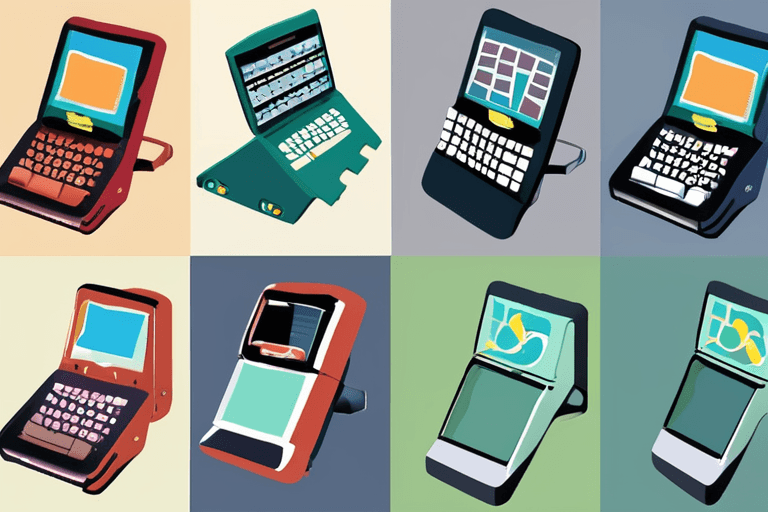
Dust motes dance in the beam of a flashlight, illuminating a forgotten corner of the attic. Inside a cardboard box, nestled amongst holiday decorations and childhood mementos, lies a tangled mess of wires and obsolete technology: a drawer full of old gadgets. Perhaps it's a first-generation iPod, its click wheel worn smooth from countless hours of use. Maybe it's a digital camera, its screen tiny compared to the expansive displays of modern smartphones. These relics of a bygone era represent more than just discarded electronics; they're time capsules filled with memories, potential, and a surprising amount of untapped value.
The relentless march of technological progress has rendered many once-cutting-edge devices obsolete. Smartphones have swallowed entire product categories, relegating digital music players and point-and-shoot cameras to the realm of nostalgia. But before consigning these gadgets to the landfill, consider the possibilities. Recovering the data stored within, repurposing the hardware, or even passing them on to someone who can appreciate their vintage charm are all viable options.
The first step is often the most challenging: connecting the device to a modern computer. The early 2000s were a Wild West of proprietary connectors, from Apple's FireWire to a dizzying array of USB variants. Locating the correct cable can feel like an archaeological dig. Fortunately, resources are available. Many manufacturers, including Apple, Microsoft, Samsung, and Sony, still host user manuals for older products on their websites. Ad-supported repositories like Manuals Online and ManualsLib offer digitized versions of countless manuals, providing a lifeline for those struggling to decipher cryptic ports and forgotten software. Replacement cables can often be found at retailers like Best Buy or Amazon, but be sure to identify the correct type before ordering.
Once connected, the real fun begins: retrieving the data. For many, the primary motivation is recovering music collections ripped from CDs and painstakingly curated on now-defunct iPods. The process can be surprisingly straightforward, often requiring little more than dragging and dropping files from the device to the computer. But what about the hardware itself? While an old iPod might not compete with the streaming capabilities of a modern smartphone, it can still serve a purpose. Perhaps it can be repurposed as a dedicated music player for a workshop or gym, freeing up your phone for other tasks.
The environmental impact of discarded electronics is a growing concern. E-waste contains hazardous materials that can leach into the environment if not properly recycled. Giving an old gadget a new lease on life, even a short one, is a small but meaningful step towards reducing waste. Furthermore, consider the educational value of these devices. Passing an old digital camera to a budding young photographer can spark creativity and provide a hands-on learning experience. It's a win-win situation: the device finds a new purpose, and a young artist gains a valuable tool.
"We often underestimate the value of older technology," says Sarah Miller, a tech historian and author of "The Gadget Graveyard." "These devices represent a specific moment in time, a particular design philosophy. They can teach us a lot about how technology has evolved and the choices that were made along the way." Miller emphasizes the importance of preserving these artifacts, not just for their historical significance but also for their potential to inspire future innovation.
The drawer full of old gadgets is more than just a collection of obsolete electronics. It's a repository of memories, a testament to technological progress, and a reminder of the choices we make as consumers. By taking the time to explore these forgotten devices, we can unlock their hidden potential, reduce e-waste, and perhaps even rediscover a piece of ourselves in the process. So, dust off that old iPod, find the right cable, and embark on a journey into the past. You might be surprised at what you find.



















Discussion
Join the conversation
Be the first to comment