Ubisoft took a major hit this week, announcing the cancellation of six unreleased games, including a remake of the beloved "Prince of Persia: The Sands of Time," and the closure of several studios in a move that sent shockwaves through the gaming world. The decision, revealed in a press release Thursday, comes as the company grapples with financial headwinds and a shifting landscape in player preferences, reminiscent of a team struggling to adapt to a new meta.
The canceled titles, which also include "Splinter Cell VR" and "Ghost Recon Frontline," represent a significant write-down for Ubisoft, estimated at around $500 million. This is akin to a star quarterback getting sacked repeatedly, forcing the team to punt and rethink their entire offensive strategy. "We are adapting and transforming to address the challenges and opportunities in our industry," said Ubisoft CEO Yves Guillemot in a statement, echoing a coach addressing the media after a tough loss. "This includes streamlining our operations and focusing on our biggest opportunities."
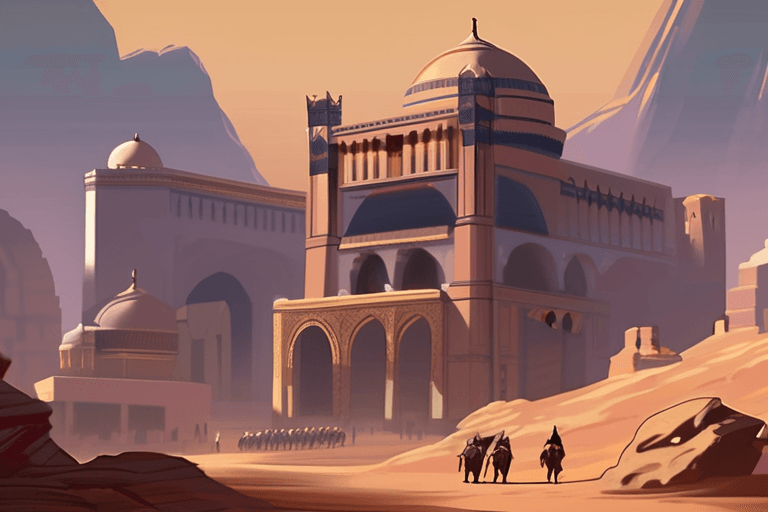
The "Prince of Persia: The Sands of Time" remake, initially announced in 2020, had already faced numerous delays and a change in development teams. Its cancellation is particularly stinging for fans, who had eagerly anticipated a return to the classic franchise, much like fans yearning for a legendary player to come out of retirement. The original "Sands of Time," released in 2003, is considered a benchmark in action-adventure gaming, boasting a Metacritic score of 92, a feat that the remake was hoping to emulate, but ultimately failed to achieve even before release.
The studio closures, while not explicitly detailed in terms of location or number, are expected to impact hundreds of employees, a devastating blow similar to a team losing key players to free agency. This restructuring is part of Ubisoft's broader strategy to cut costs and refocus its resources on its core franchises, such as "Assassin's Creed" and "Far Cry," which continue to generate consistent revenue, acting as the reliable veterans on the roster.
Industry analysts suggest that Ubisoft's struggles are not unique, as many game developers are facing challenges in a market increasingly dominated by live-service games and shifting consumer tastes. "The gaming landscape is constantly evolving," explained Michael Pachter, an analyst at Wedbush Securities, "and companies need to be agile and adapt to stay competitive. Ubisoft is clearly trying to do that, but it's a painful process." This sentiment mirrors the constant adjustments teams make throughout a season to stay ahead of the competition.
Looking ahead, Ubisoft is pinning its hopes on upcoming releases like "Assassin's Creed Mirage" and "Avatar: Frontiers of Pandora" to turn the tide. These games represent the company's renewed focus on delivering high-quality, engaging experiences that resonate with players, much like a team investing in new talent and strategies to rebuild for the future. The pressure is on for these titles to perform, as Ubisoft looks to regain its footing and prove that it can still compete at the highest level of the gaming arena.




















Discussion
Join the conversation
Be the first to comment