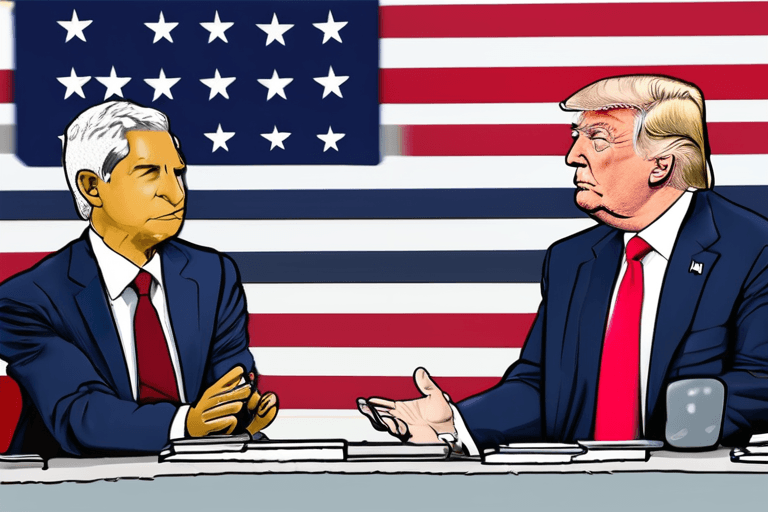
JPMorgan Chase CEO Jamie Dimon warned that a proposal by former U.S. President Donald Trump to cap credit card interest rates would be "an economic disaster," potentially cutting off credit access for a significant portion of the American population. Speaking at the World Economic Forum in Davos, Switzerland, Dimon stated that limiting interest rates to 10%, as Trump suggested on his Truth Social platform earlier this month, would disproportionately impact restaurants, retailers, travel firms, and educational institutions.
Dimon argued that such a drastic cap would remove credit access for approximately 80% of Americans, who rely on credit cards as a financial safety net. He added that while JPMorgan Chase would survive the policy, the broader economic consequences would be severe. The proposed cap, which Trump suggested should be in place for one year starting January 20, lacks specific details regarding its implementation and legal enforceability.
The debate over credit card interest rate caps is not new in the United States. Progressive politicians, including Senators Bernie Sanders and Elizabeth Warren, have previously advocated for similar measures, arguing that high interest rates exploit vulnerable consumers. Globally, interest rate caps are a common regulatory tool used by governments to protect consumers from predatory lending practices, although the specific levels and implementation vary widely. For example, many European countries have regulations on maximum interest rates for various types of loans, including credit cards.
The potential impact of Trump's proposal extends beyond the U.S. domestic market. Given the interconnectedness of the global financial system, a significant disruption in the U.S. credit market could have ripple effects on international investors and financial institutions. Furthermore, the debate highlights the ongoing tension between consumer protection and the free market principles that underpin much of the global economy.
As of now, it remains unclear whether Trump will pursue this policy if he regains the presidency. The lack of detail in his initial statement leaves considerable uncertainty about the scope and implementation of the proposed cap. The potential legal challenges and economic consequences are likely to be significant factors in any future consideration of the policy.



















Discussion
Join the conversation
Be the first to comment