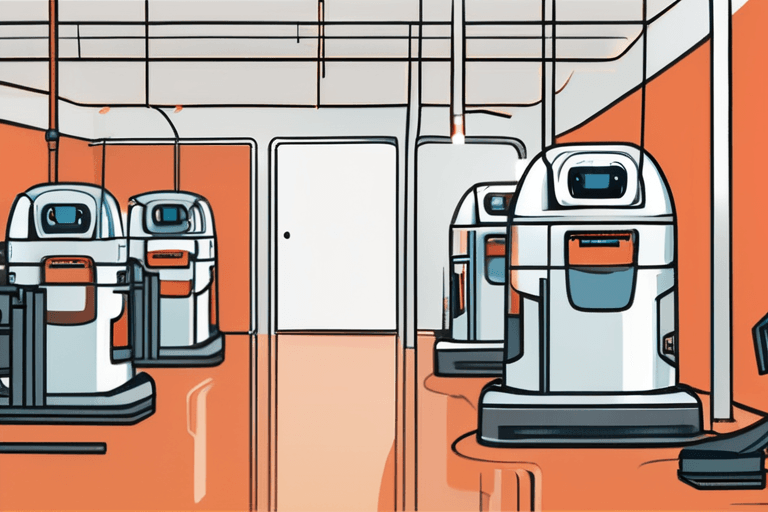
Robotic cleaning units have been deployed in a New York City residential building, signaling a growing trend in the integration of automation within urban living spaces. The building's landlord initiated the rollout, starting with a single, large robotic floor cleaner, and subsequently expanding the fleet to three units, according to a building resident.
The initial robot, described as roughly the size of a doghouse, was designed for commercial-grade floor cleaning. Its functionality expanded to include wireless connectivity with the building's elevator system, enabling it to autonomously navigate between floors. Adam Clark Estes, a resident of the building and senior technology correspondent at Vox, noted the robot's ability to control the elevator, allowing it to clean hallways on multiple floors.
The deployment reflects a broader industry push towards automating routine tasks in residential and commercial properties. Landlords are motivated by potential cost savings in labor and increased efficiency in maintaining cleanliness. However, the integration of such technology also raises questions about human-robot interaction and potential disruptions to daily life. Estes reported frequent encounters with the cleaning robot, suggesting challenges in navigating shared spaces.
The robots utilize a combination of sensors and software to navigate their environment, avoid obstacles, and perform cleaning tasks. While specific technical specifications of the robots were not disclosed, similar commercial cleaning robots typically employ LiDAR (Light Detection and Ranging) or other sensor technologies for mapping and localization. The ability to wirelessly interface with the elevator system indicates a sophisticated level of integration with the building's infrastructure.
The long-term impact of increased robotic presence in residential buildings remains to be seen. Experts predict further advancements in robotic capabilities, potentially leading to more complex tasks being automated. This trend raises questions about the future of human employment in building maintenance and the need for clear guidelines on robot-human interaction in shared living spaces.


















Discussion
Join the conversation
Be the first to comment