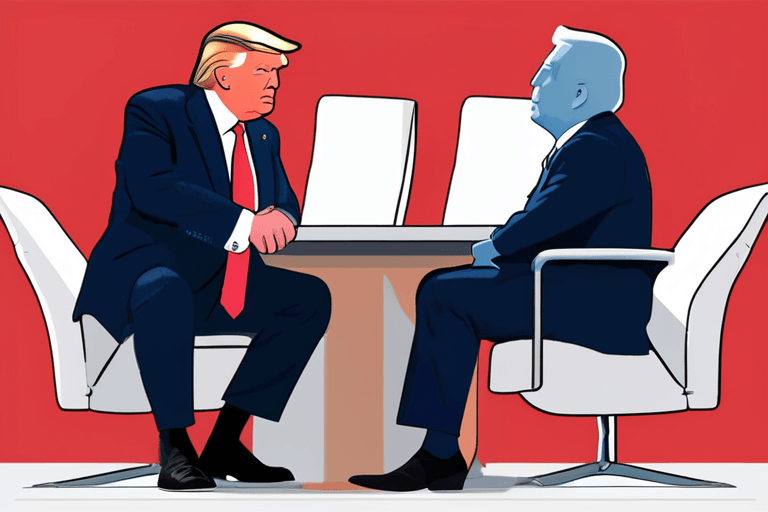
President Donald Trump's shifting stance on Greenland, as highlighted in a recent video, continues to generate unease in Europe despite his apparent reversal of interest in purchasing the autonomous Danish territory. The video, part of a series of business-focused analyses, suggests that while the outright purchase may be off the table, underlying strategic and economic interests remain, fueling concerns about U.S. intentions in the Arctic region.
The initial proposal to buy Greenland in 2019, though ultimately unsuccessful, exposed a divergence in priorities between the U.S. and several European nations regarding Arctic resources and security. The video analysis points out that Greenland's vast untapped mineral resources, estimated to be worth billions of dollars, are a key factor. These resources, including rare earth elements crucial for electronics manufacturing, are increasingly important as global competition intensifies.
"The fact that the U.S. even considered buying Greenland sent a clear message about their strategic focus," stated an analyst in the video. "Even without a purchase, the U.S. is likely to pursue other avenues to secure access to Greenland's resources and exert influence in the Arctic."
European nations, particularly Denmark, Norway, and Russia, have been investing heavily in Arctic infrastructure and resource exploration for years. The potential for increased U.S. involvement raises questions about the balance of power and the future of international cooperation in the region. Concerns also revolve around environmental protection and the potential impact of increased resource extraction on the fragile Arctic ecosystem.
The video also touches upon the geopolitical implications of increased U.S. activity in Greenland. With melting ice caps opening up new shipping routes, the Arctic is becoming increasingly strategically important. Control over these routes and access to resources could significantly impact global trade and security.
While the Trump administration's specific plans for Greenland remain unclear, the video suggests that the underlying drivers of U.S. interest – resource security, strategic positioning, and competition with other global powers – are unlikely to disappear. This continued interest, even without a formal purchase, keeps European nations on edge as they navigate the evolving landscape of Arctic geopolitics. The video concludes by suggesting that future developments will likely involve a combination of diplomatic negotiations, economic investments, and security considerations as nations vie for influence in the Arctic.



















Discussion
Join the conversation
Be the first to comment