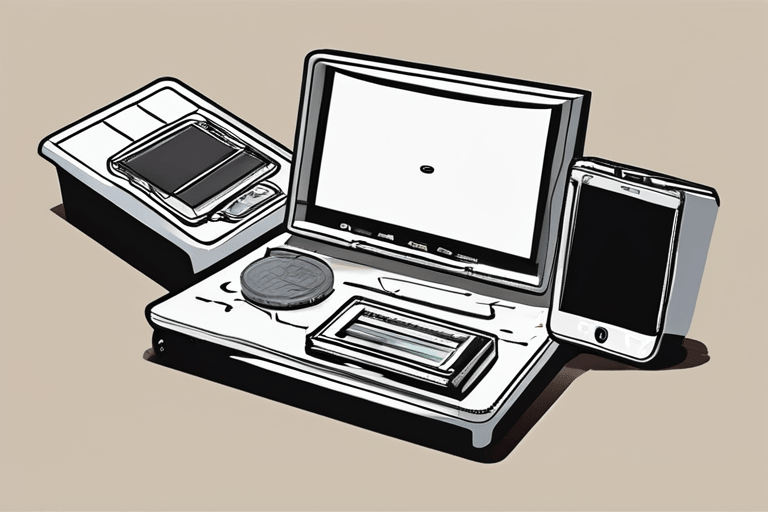
Dust motes dance in the attic light, swirling around a cardboard box overflowing with relics of a bygone digital era. A first-generation iPod, its chrome back scratched and worn, nestles beside a chunky digital camera, its lens cap long lost. These aren't just gadgets; they're time capsules, holding memories and music from a world before ubiquitous smartphones. But what to do with these forgotten friends gathering dust in drawers and boxes across the nation?
The digital revolution, for all its benefits, has left a trail of obsolete devices in its wake. Music players, cameras, even early smartphones have been rendered redundant by the ever-increasing capabilities of our pocket computers. The industry's relentless march forward, driven by innovation and consumer demand, has created a landscape where yesterday's cutting-edge technology is today's e-waste.
Recovering the data trapped within these devices is often the first step. "Many people hold onto these gadgets because they contain irreplaceable memories," explains Sarah Miller, a tech recycling specialist. "Old iPods, for example, might hold music collections painstakingly ripped from CDs, a labor of love that's now trapped inside." Fortunately, accessing this data is often simpler than it seems. Most devices from the early 2000s connect to computers via USB cables, although older iPods used FireWire, a now-obsolete connection. While the original cables may be lost, replacements are readily available from online retailers like Amazon or brick-and-mortar stores like Best Buy. The key is identifying the correct type of USB connector, as the standard has evolved over the years. Once connected, the device should appear as an external drive, allowing users to copy files to their modern computers.
But what if the device itself is beyond repair or the data is no longer needed? Passing it on to someone who can use it is a viable option. "An old pocket camera, even if it's not the latest model, can be a fantastic tool for a budding young photographer," Miller suggests. "It allows them to learn the fundamentals of photography without the distractions and complexities of a smartphone." Many schools and community centers also accept donations of older electronics for educational purposes.
For devices that are truly beyond redemption, responsible recycling is crucial. E-waste contains hazardous materials that can leach into the environment if improperly disposed of. Many manufacturers, including Apple, Samsung, and Sony, offer recycling programs for their products. Retailers like Best Buy also have e-waste recycling programs, accepting a wide range of electronics regardless of brand.
The drawer full of old gadgets is more than just a collection of obsolete technology; it's a reflection of our rapidly evolving relationship with technology. By taking the time to recover the data, repurpose the devices, or recycle them responsibly, we can ensure that these relics of the digital past don't become a burden on the environment, but rather a reminder of how far we've come. As Miller puts it, "These devices tell a story, not just about technology, but about our lives and the memories we've created along the way. It's important to treat them with respect, even in their obsolescence."
















Discussion
Join the conversation
Be the first to comment