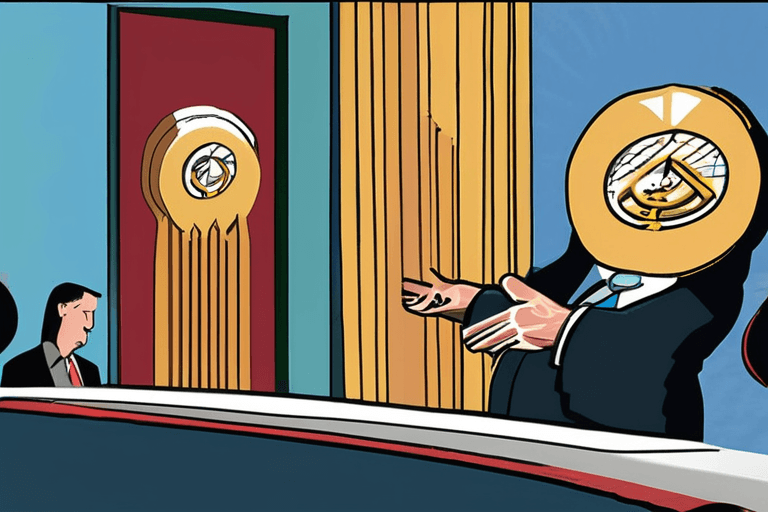
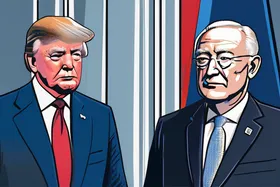
U.S. President Donald Trump inaugurated a new Board of Peace at the Davos Economic Forum this week, signaling a potentially significant shift in global peacemaking efforts. The initiative, initially conceived during U.S.-led attempts to resolve the conflict in Gaza and subsequently endorsed by a UN Security Council resolution, now aims for a broader, more global scope, according to Trump.
Trump's ambitious declaration, promising to "end decades of suffering, stop generations of hatred and bloodshed, and forge a beautiful, everlasting and glorious peace," has been met with both optimism and skepticism from international observers and officials. Some view the Board of Peace as further evidence of Trump's intention to reshape the post-World War II international order, potentially sidelining established institutions like the United Nations.
Concerns have been raised about the potential for the Board to duplicate or undermine the UN's existing peace initiatives. The UN, despite its struggles and criticisms, has historically played a central role in mediating conflicts, deploying peacekeeping forces, and providing humanitarian assistance worldwide. The establishment of a parallel structure led by the U.S. could create confusion and competition, potentially weakening the overall effectiveness of international peacemaking.
Poland's Prime Minister Donald Tusk expressed caution, warning, "We will not let anyone play us," on social media. Conversely, Hungarian Prime Minister Viktor Orban, a strong supporter of Trump, offered enthusiastic support, stating, "If Trump, then peace." This divergence in opinion highlights the complex geopolitical landscape surrounding the new initiative.
The Board of Peace is headed in perpet. The specific details of the Board's mandate, structure, and funding remain unclear, leaving many questions unanswered about its long-term viability and impact. The coming months will be crucial in determining how the Board interacts with existing international organizations and whether it can effectively contribute to resolving global conflicts.















Discussion
Join the conversation
Be the first to comment