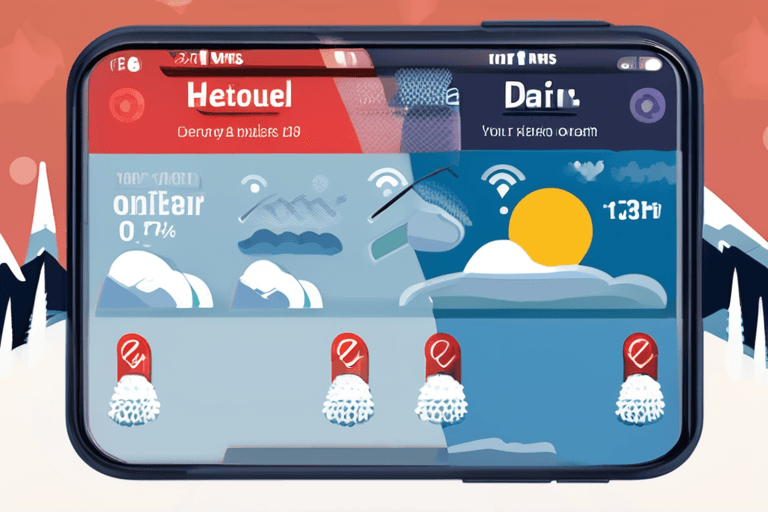
Cellphone weather applications issued warnings Wednesday, forecasting a significant winter storm potentially bringing a foot or more of snow to New York City and other regions this weekend, sparking widespread discussion and concern. The alerts, disseminated through both iPhone and Android platforms, reflected increasingly severe predictions from meteorologists regarding the storm's trajectory and intensity as it moved across the country.
The discrepancies between these forecasts and others stem from the data sources and methodologies employed. The National Weather Service (NWS) formulates its forecasts by integrating various computer models, ensemble forecasts consisting of numerous simulations, and the expertise of its meteorologists. The NWS is also experimenting with artificial intelligence-driven models. Local television meteorologists may use NWS guidance or incorporate their own analysis for broadcast reports. Weather forecast models inherently produce a range of possible outcomes.
Many weather apps, however, rely on different, often more automated, systems. These systems can quickly disseminate data from global weather models without the nuanced interpretation provided by human meteorologists. This can lead to more dramatic, and sometimes less accurate, predictions appearing on users' phones.
"The key is understanding that weather forecasting is probabilistic," explained Dr. Emily Carter, a research meteorologist at the University of Albany. "Apps often present a single, deterministic outcome, which can amplify the perceived risk. The NWS and experienced meteorologists provide context and a range of possibilities."
The impact of these app-driven forecasts extends beyond individual anxiety. Municipalities and businesses use weather predictions to make critical decisions about resource allocation, staffing, and safety protocols. Overly alarmist forecasts can lead to unnecessary expenses and disruptions.
The current status indicates that the storm's path and intensity remain uncertain. Meteorologists continue to refine their predictions as new data becomes available. Users are encouraged to consult multiple sources, including the National Weather Service and local news outlets, for a comprehensive understanding of the potential weather impacts. The next developments will involve further analysis of the storm's behavior and adjustments to forecasts as the weekend approaches.


















Discussion
Join the conversation
Be the first to comment