The annual World Economic Forum (WEF) in Davos, Switzerland, concluded this week amid growing questions about its relevance in an increasingly fractured global economy. The gathering, which took place against a backdrop of heightened geopolitical tensions and skepticism towards multilateralism, saw political and corporate leaders from around the world convene to discuss pressing global issues.
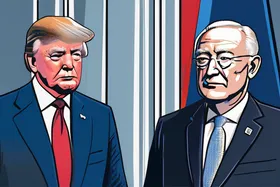
The forum occurred as the United States, under President Donald Trump, has pursued a more protectionist trade policy, utilizing tariffs as a tool for economic and political leverage. Critics argue that the WEF is often characterized by extensive discussions that fail to translate into concrete action. Supporters, however, maintain that the forum provides a crucial platform for dialogue, potentially mitigating some of the world's most significant challenges.
Established decades ago, the WEF has long been considered a symbol of global cooperation. The organization aims to foster collaboration between governments, businesses, and civil society to address global challenges. The annual meeting in Davos serves as a venue for high-level discussions on topics ranging from climate change and economic inequality to technological disruption and global health.
The current global landscape presents significant challenges to the WEF's mission. Rising nationalism, trade wars, and geopolitical conflicts have strained international relations and undermined multilateral institutions. The effectiveness of the WEF in this environment is a subject of ongoing debate.
Beyond the high-profile discussions, the WEF also faces scrutiny regarding its impact on specific issues, such as the reconstruction of Gaza and the economic crisis in Iran, both of which were topics of discussion at this year's forum. The ability of the WEF to influence these complex situations remains to be seen.
















Discussion
Join the conversation
Be the first to comment