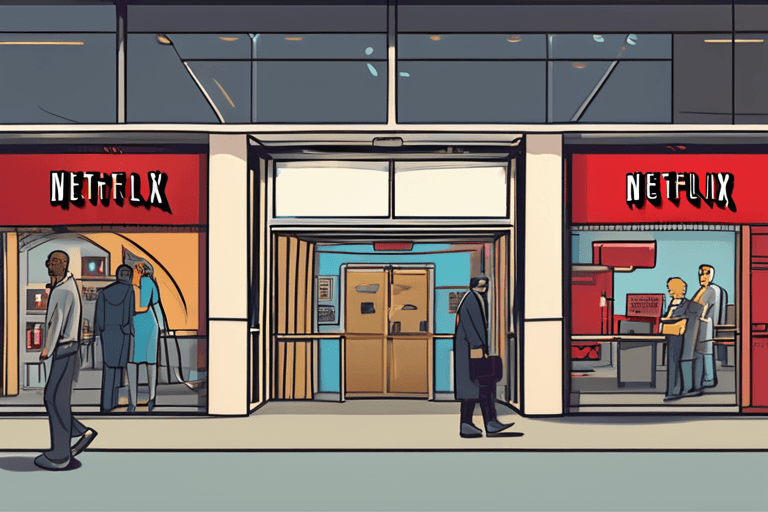
In a move that sent shockwaves through the entertainment industry, Netflix finalized its acquisition of Warner Bros. film and television studios, including HBO, HBO Max, and its vast catalog of intellectual property. The deal, announced in early December, positions Netflix as an unparalleled entertainment behemoth.
The financial terms of the acquisition were not fully disclosed, but analysts estimate the deal to be valued in excess of $100 billion, making it one of the largest media mergers in history. Netflix, already boasting over 325 million subscribers globally, will absorb Warner Bros. Discovery's (WBD) significant debt, estimated to be in the billions. This acquisition provides WBD with a much-needed financial lifeline, while simultaneously giving Netflix access to a treasure trove of content.
The merger is expected to have a profound impact on the streaming landscape. By consolidating iconic franchises like "Game of Thrones," "Harry Potter," and DC Comics properties under one platform, Netflix gains a significant competitive advantage. This could lead to increased subscription prices and further consolidation within the industry as other players struggle to compete. The move also raises questions about the future of theatrical releases, as Netflix may prioritize streaming over traditional cinema distribution for certain Warner Bros. titles.
Warner Bros. Discovery had been grappling with substantial debt and the challenges of declining cable viewership, coupled with the intense competition in the streaming market. The company's decision to explore a sale followed unsolicited interest from several major industry players, ultimately leading to the agreement with Netflix.
Looking ahead, the integration of Warner Bros.' assets into Netflix's platform will be a complex undertaking. The company will need to navigate potential regulatory hurdles and integrate two distinct corporate cultures. However, if successful, the acquisition could solidify Netflix's dominance in the streaming industry for years to come, reshaping the future of entertainment production and distribution.


















Discussion
Join the conversation
Be the first to comment