Global Tensions Rise as Nations Navigate Shifting Alliances
Global relations saw significant shifts this week as nations grappled with trade disputes, political interference, and the growing demand for energy to power artificial intelligence. Several key events unfolded, highlighting the evolving geopolitical landscape.
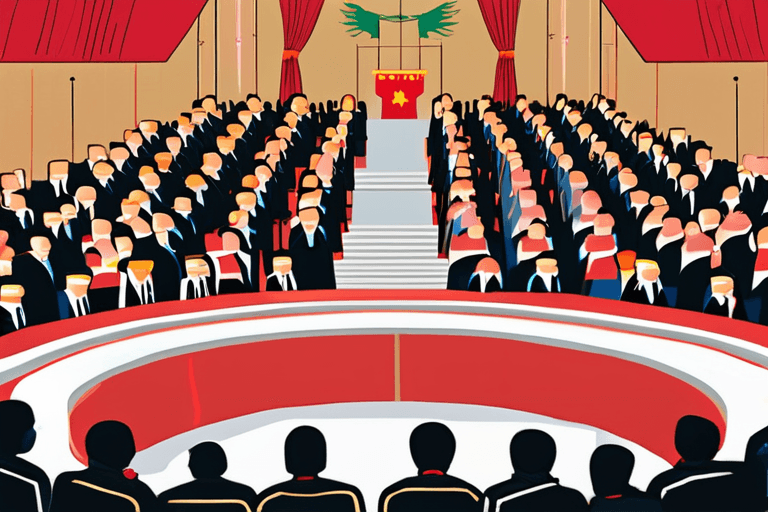
In Beijing, UK Prime Minister Keir Starmer met with Chinese President Xi Jinping on Thursday, marking the first visit by a British leader to China in nearly a decade, according to Euronews. The meeting aimed to "reset ties strained by decades of tensions" and explore potential business deals, forging a "strategic partnership" between the two countries. Starmer thanked Xi for hosting his delegation at the Great Hall of the People.
Meanwhile, in Iraq, hundreds protested near the U.S. embassy over what they perceived as election interference. Nouri al-Maliki, a leading candidate for the premiership, denounced "blatant interference" by the United States after President Donald Trump threatened to end all support to the country if he was re-elected, Euronews reported. "We categorically reject the blatant American interference in Iraq's internal affairs," al-Maliki stated. The U.S. has held significant sway over Iraqi politics since the 2003 invasion that ousted Saddam Hussein.
President Trump's tariffs and rhetoric have spurred some longtime U.S. allies to diversify their trade ties away from the U.S., NPR News reported. Some are now seeking deals with Asian superpowers like China and India. "President Trump's tariffs and rhetoric have spurred some U.S. allies to shift trade away from the United States and to boost trade with America's," according to NPR.
Domestically, SpaceX has issued a set of demands to U.S. states providing broadband grants to Starlink, Ars Technica reported. The company seeks to ensure Starlink receives federal grant money even when residents don't purchase the service. SpaceX pledged to provide all necessary equipment to receive broadband at no cost to subscribers requesting service, eliminating the up-front hardware fee. The company also promised to make broadband available for $80 or less a month, plus taxes and fees, to people with low incomes in subsidized areas.
The increasing demand for energy to power massive data centers for artificial intelligence is driving investment in next-generation nuclear power plants, according to MIT Technology Review. These plants could be cheaper to construct and safer to operate than their predecessors. MIT Technology Review held a discussion with editors and reporters on hyperscale AI data centers and next-gen nuclear technologies.

















Discussion
Join the conversation
Be the first to comment