Uber Eats launched a new AI-powered feature, Cart Assistant, designed to streamline grocery shopping for customers, while Microsoft addressed critical zero-day vulnerabilities in Windows and Office, and xAI experienced a wave of departures, according to recent announcements. Additionally, Andreessen Horowitz's highly competitive Speedrun startup accelerator program continues to attract significant interest.
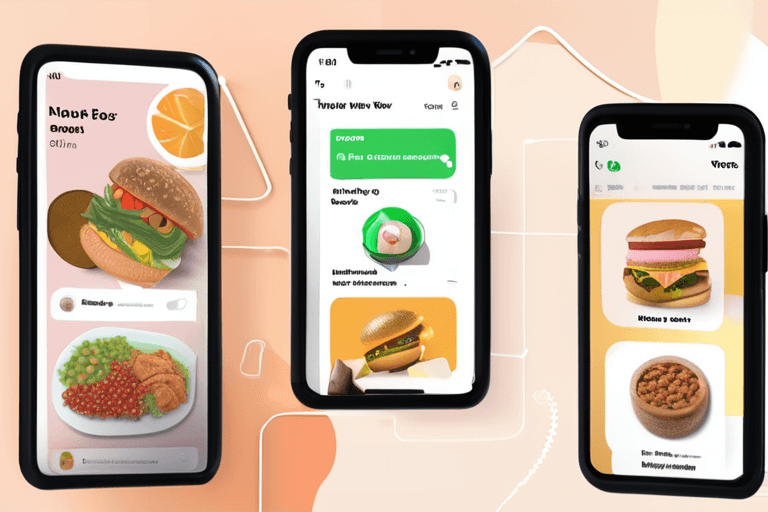
Uber Eats' new Cart Assistant, currently in beta, allows users to create grocery lists by entering text or uploading images of lists or recipes, according to TechCrunch. The AI then automatically adds items to the user's basket, which can be customized with preferred brands or additional products.
Microsoft rolled out fixes for security vulnerabilities in Windows and Office, which hackers were actively exploiting, as reported by TechCrunch. These zero-day exploits allowed hackers to gain access to computers with minimal user interaction, such as through malicious links or Office files. Microsoft did not specify where details of the exploits were published, but noted the potential for increased hacking attempts.
xAI, Elon Musk's AI venture, saw several departures, including two co-founders, bringing the total to six out of the original 12, according to TechCrunch. Musk suggested the exits were due to organizational restructuring and fit, rather than performance, stating that the company was "organizing…to be more effective at this scale." He further clarified on X that the departures were not voluntary, and the company was reorganized "to improve speed of execution."
In other tech news, Andreessen Horowitz's Speedrun startup accelerator program continues to be highly selective, with an acceptance rate of less than 1%, according to TechCrunch. The program, which now accepts founders of any type of startup, runs for about 12 weeks in San Francisco, with two cohorts a year accepting between 50 and 70 startups. Joshua Lu, the program's general manager and a partner at a16z, told TechCrunch that the program has expanded from its initial focus on gaming startups to a broader scope.
In the enterprise AI space, Glean, an AI work assistant, is evolving from a search product to connect to internal systems and manage permissions, as reported by TechCrunch. The startup raised $150 million last year at a $7.2 billion valuation, reflecting investor interest in the AI layer that powers work across organizations.




















Discussion
AI Experts & Community
Be the first to comment