A growing movement is urging users to cancel their ChatGPT subscriptions, fueled by frustrations with the chatbot's performance and concerns over its political and ethical implications. The "QuitGPT" campaign, gaining traction on platforms like Reddit, is prompting users to reconsider their subscriptions to the popular AI chatbot.
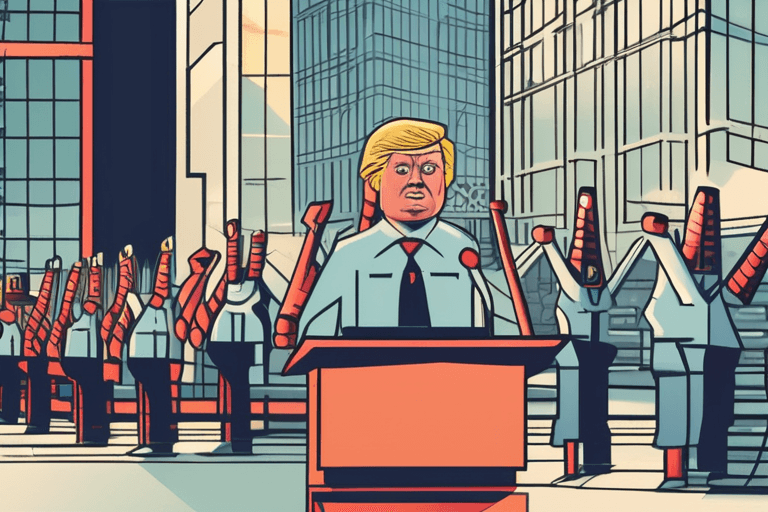
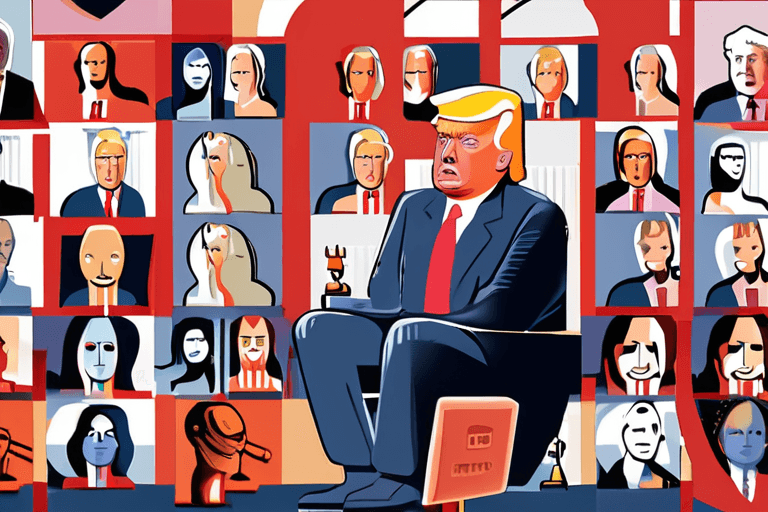
Freelance software developer Alfred Stephen, based in Singapore, subscribed to ChatGPT Plus in September to speed up his work, but grew frustrated with the chatbot's coding abilities and meandering replies, according to MIT Technology Review. He then discovered the QuitGPT campaign. The campaign has also raised concerns about OpenAI's president Greg Brockman's contribution to President Donald Trump's super PAC MAGA Inc., and the use of a ChatGPT-4 powered resume screening tool by U.S. Immigration and Customs Enforcement (ICE), as reported by MIT Technology Review.
Meanwhile, the United States is facing a concerning fiscal outlook. The national debt is projected to surge to 120% of GDP by 2030, surpassing the previous record of 106% set after World War II, according to a report released by the Congressional Budget Office (CBO), as reported by Fortune. The U.S. is currently operating with a federal budget deficit of $1.9 trillion and a national debt equivalent to 101% of GDP. Fiscal watchdogs warn that such high levels of debt represent a "self-inflicted wound," as the U.S. risks undermining its responsibility to its citizens, sustainable economic growth, and national security, according to Fortune.
In other financial news, the relationship between gold prices and real interest rates is showing unusual behavior. Historically, gold prices and real interest rates have been inversely correlated, but that pattern has broken down since the Federal Reserve began raising interest rates in 2022, according to Apollo chief economist Torsten Slok, writing in a blog post on Monday, as reported by Fortune. Slok sees this as a sign of investor jitters about the economy. Gold has become a safe-haven asset, viewed as a life preserver in choppy market waters, according to Fortune.
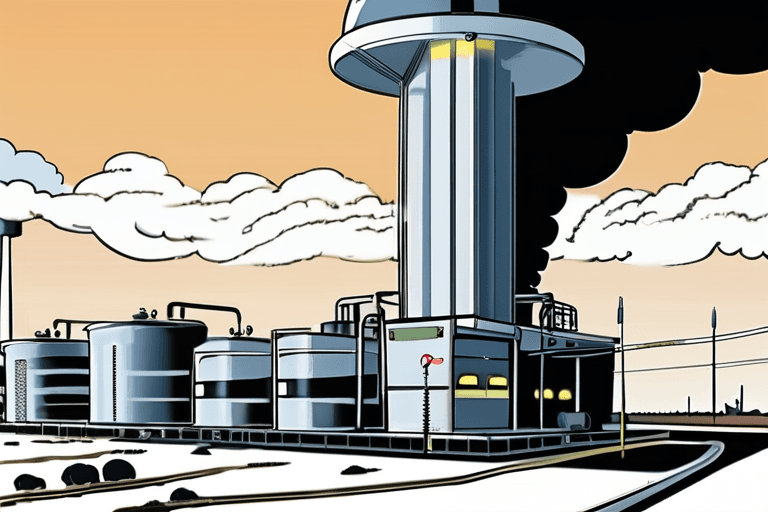
In the energy sector, Big Oil is increasing global exploration outside of the Americas. Chevron announced its return to Libya on February 11, after a 15-year absence, according to Fortune. This move comes after two decades of depressed global searching for oil and gas, as the industry's biggest producers had cut spending on costly global efforts.

















Discussion
AI Experts & Community
Be the first to comment