The US House of Representatives voted to overturn former President Donald Trump's tariffs on Canadian goods, while the US job market saw unexpected growth in January, according to recent reports. The House vote, which saw six Republican lawmakers join Democrats, aims to end tariffs Trump imposed last year, though its impact is largely symbolic. Simultaneously, the Labor Department announced that employers added a greater-than-expected 130,000 jobs in January, pushing the unemployment rate down to 4.3%.
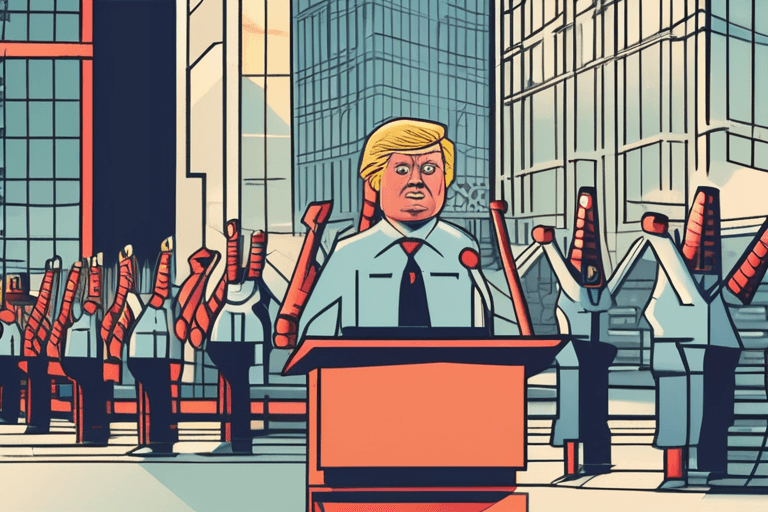
The House vote on the tariffs, which passed 219 to 211, is unlikely to become law, as it requires approval from the Senate and President Trump, who is unlikely to sign it. Trump had previously threatened a 100% import tax on Canadian goods in response to Canada's proposed trade deal with China. As the vote took place, Trump posted on Truth Social.
In other business news, major holiday providers, including Butlin's, Hilton, and Travelodge, urged the government to scrap proposals for a tax on people taking holidays in England. They argued that the proposed "modest" tourist tax, or visitor levy, would drain money from local businesses. "Holidays are for relaxing, not taxing," one provider stated.
The Co-op, a 180-year-old member-owned food and services group, is facing internal issues, as senior staff complained of a "toxic culture" at the executive level. A letter to Co-op board members, seen by the BBC, cited "fear and alienation" among senior staff who felt scared to raise concerns. Several sources indicated that this culture had led to poor decisions, sinking morale, and a sharp drop in profits.
The unexpected job growth in January offered a positive sign for the US economy after a weak 2025, which saw the fewest new jobs since the Covid-19 pandemic. The US added just 181,000 jobs in 2025, according to the latest data, even weaker than previously reported. The White House has pushed back against concerns, arguing that the economy remains strong.
In technology news, Apple and Google agreed to make changes to their app stores in the UK following intervention from the UK markets regulator. The Competition and Markets Authority (CMA) reported that the tech giants committed to not giving preferential treatment to their own apps and would be transparent about how others are approved for sale. The CMA's head, Sarah Cardell, said the proposed commitments "will boost the UK's app economy."

















Discussion
AI Experts & Community
Be the first to comment