Anthropic's Claude Cowork AI agent software launched on Windows this week, intensifying the competition in the AI assistant market, while a new solution called NanoClaw addresses security concerns surrounding the popular open-source AI assistant OpenClaw. Meanwhile, a new analysis suggests electric vehicles could become more affordable than gas cars in Africa by 2040.
Anthropic released its Claude Cowork AI agent software for Windows on Monday, according to VentureBeat, bringing the file management and task automation tool to approximately 70% of the desktop computing market. This move signifies a notable shift, as Microsoft embraces a direct competitor to its longtime AI partner, OpenAI. The Windows version offers full feature parity with the macOS version, including file access, multi-step task execution, plugins, and Model Context Protocol (MCP) connectors for integrating external services. Users can now also set global and folder-specific instructions that Claude follows in every session.
The rapid adoption of Austrian developer Peter Steinberger's open-source AI assistant OpenClaw has caused a stir among enterprises and indie developers, VentureBeat reported. OpenClaw allows users to autonomously complete work and perform tasks across their computer, phone, or business using natural language prompts. However, its "permissionless" architecture raised security concerns. In response, Steinberger debuted NanoClaw, a lighter, more secure version, under an open-source MIT license.
"A game-changer," was how developers on Reddit described the new Claude feature, according to VentureBeat. MIT Technology Review noted that OpenClaw, released in November 2025, went viral in late January. The tool harnesses existing LLMs to let users create their own bespoke assistants.
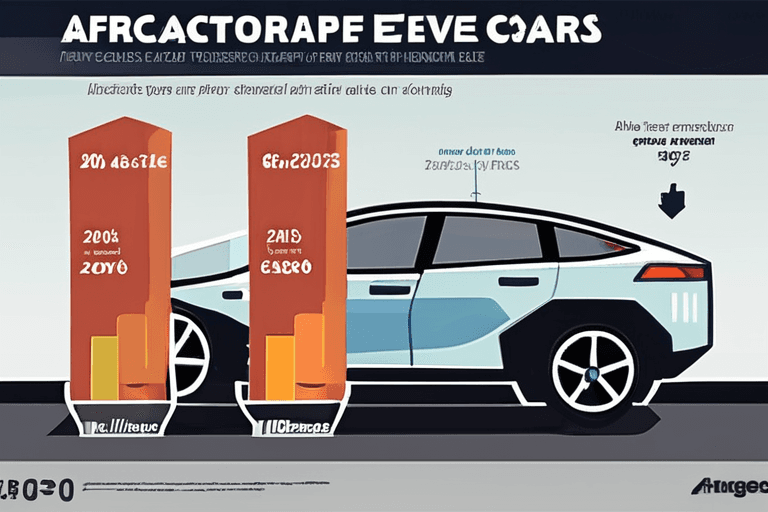
In other news, electric vehicles could become economically competitive in Africa sooner than expected, according to a new analysis cited by MIT Technology Review. The analysis suggests that with solar off-grid charging, EVs could be cheaper to own than gas vehicles by 2040. While only 1% of new cars sold across the continent in 2025 were electric, the economic case for EVs is building as batteries and the vehicles they power continue to get cheaper.
The Verge also released its 2026 Valentine's Day gift guide, featuring a collection of 32 gifts for men.




















Discussion
AI Experts & Community
Be the first to comment