A man has been charged in Australia after "priceless" Egyptian artifacts were stolen from a museum, while the United States is not disputing European findings that Russian opposition leader Alexey Navalny was poisoned. Meanwhile, Iranian Foreign Minister Abbas Araghchi criticized European powers for their perceived irrelevance in nuclear talks, and thousands of Western nationals reportedly joined the Israeli military amid the ongoing conflict in Gaza. These developments occurred on or before February 15, 2026.
The charged individual, a 52-year-old man, is accused of smashing a window at the Abbey Museum of Art and Archaeology and stealing the artifacts, according to Sky News. The stolen items included a wooden cat sculpture dating back approximately 2,600 years to the 26th dynasty of ancient Egypt, a necklace believed to be 3,300 years old, and a mummy mask.
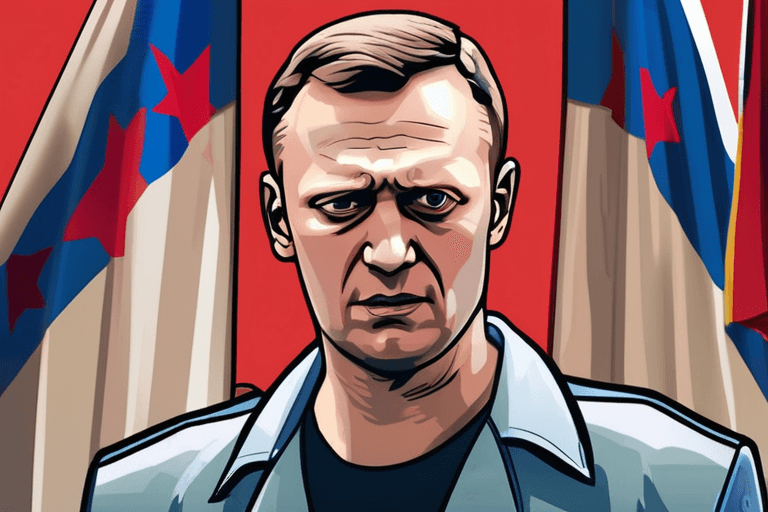
Regarding the Navalny case, US Secretary of State Marco Rubio called the European report "very troubling and very serious," as reported by Al Jazeera. He added, "We don't have any reason to question it," during a visit to Slovakia. The United Kingdom is signaling possible new sanctions against Moscow following the findings.
In other international news, Iranian Foreign Minister Abbas Araghchi derided the Munich Security Conference, accusing European powers of paralysis in efforts to revive nuclear negotiations with the United States, Al Jazeera reported. Iranian officials were not invited to the annual security meeting. Araghchi made his remarks on X, just days before Iranian and US officials were scheduled to hold talks in Geneva, Switzerland.
Furthermore, thousands of Western nationals joined the Israeli military during the conflict in Gaza, raising questions about international legal accountability, according to Al Jazeera. The Israeli NGO Hatzlacha obtained information revealing that more than 50,000 soldiers in the Israeli military hold at least one other citizenship, with a majority holding US or European passports.
In Cuba, diplomats are preparing for a potential shift in US tactics, with some fearing the country could be "starved until people take to the streets," according to The Guardian. Ambassadors from countries traditionally allied to the United States are expressing increasing frustration with Washington's attempts to unseat Cuba's government.
















Discussion
AI Experts & Community
Be the first to comment