A confluence of developments in the artificial intelligence landscape, including a growing memory chip shortage and key personnel moves at OpenAI, is shaping the future of the technology, even as some users express frustration with current AI offerings.
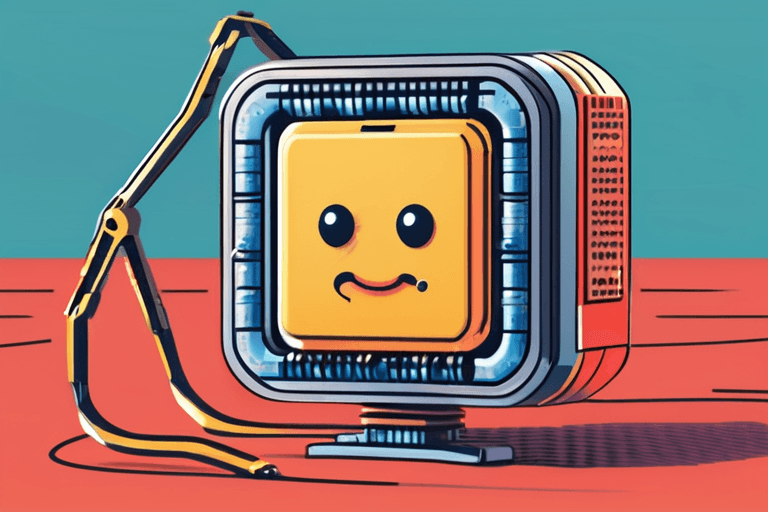
The demand for memory chips, particularly DRAM, is surging, leading to warnings from tech industry leaders like Elon Musk and Tim Cook about a global crisis. According to Fortune, this shortage is already impacting profits, production plans, and prices across various sectors, from smartphones to data centers. Micron Technology Inc. has called the bottleneck "unprecedented," and Cook warned it would compress iPhone margins.
Simultaneously, OpenAI is making strategic moves to bolster its product offerings. The company announced it had hired Peter Steinberger, the creator of the open-source AI program OpenClaw. OpenAI CEO Sam Altman, in a post on X, stated that Steinberger would help drive the next generation of personal agents. Steinberger, in a separate post, wrote that he was joining OpenAI to be "part of the frontier of AI research and development." OpenClaw will remain an open-source project, supported by OpenAI.
While the industry pushes forward, the user experience of current AI products is not always positive. According to The Verge, one user expressed frustration with Casio's AI-powered pet, Moflin, describing it as a "lovable robot nuisance." The author, Robert Hart, wrote that after a few weeks with the device, he understood why his mother disliked her Furby.
The rapid advancements in AI are also prompting discussions about the underlying technology. VentureBeat highlighted the "limestone race to real-time AI," referencing the challenges of achieving smooth performance in AI systems.
The increasing complexity of AI and its impact on human behavior are also being examined. Vox reported that games, often dismissed as trivial, offer insights into human agency, according to philosopher C. Thi Nguyen. Games, Nguyen argues, demonstrate how people choose goals, adhere to constraints, and care deeply about things that may not seem important.
















AI Experts & Community
Be the first to comment