A cybersecurity researcher faced death threats in April 2024 from anonymous online personas, while a small English town is embroiled in a battle over a proposed data center, and scientists are racing to combat antimicrobial resistance, highlighting the diverse challenges and advancements shaping the current technological landscape. These developments, spanning from online threats to infrastructure disputes and medical breakthroughs, underscore the rapid evolution and complex implications of technology.
In April 2024, a cybersecurity researcher named Allison Nixon, chief research officer at Unit 221B, became the target of death threats from individuals using the online handles Waifu and Judische on Telegram and Discord channels (MIT Technology Review). The threats stemmed from Nixon's work tracking cybercriminals and assisting in their arrests, a career spanning over a decade.
Meanwhile, the town of Potters Bar, located near London, is grappling with a proposal to build a large-scale data center on farmland (Wired). In September 2024, a property developer applied for permission to construct the facility, sparking opposition from local residents who formed a Facebook group to block the project. Despite the group's efforts, the local government granted planning permission in January 2025. A poster tied to a lone oak tree, a site of protest, reads "NO TO DATA CENTRE."
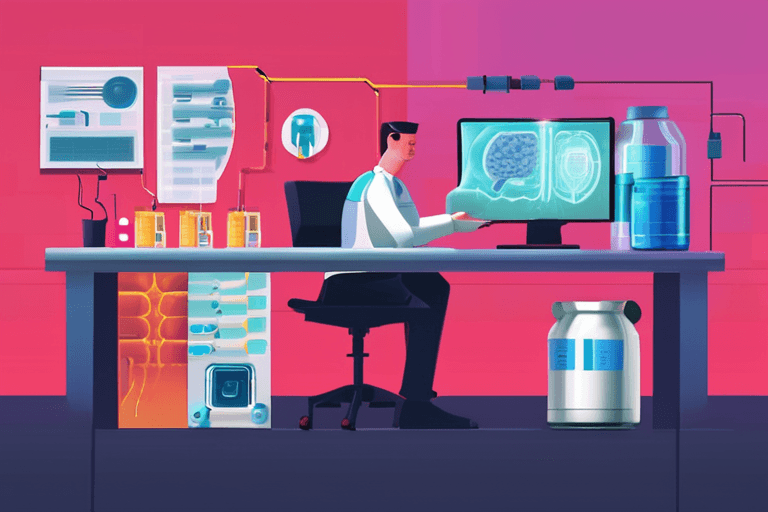
In the realm of medicine, the urgent need to address antimicrobial resistance continues to grow. Infections caused by drug-resistant bacteria, fungi, and viruses are associated with over 4 million deaths annually, with projections estimating a surge to over 8 million by 2050 (MIT Technology Review). Bioengineer and computational biologist César de la Fuente, along with synthetic biologist James Collins, warned of a "looming postantibiotic era" in a July 2025 essay in Physical Review Letters.
The evolution of technology also impacts everyday life. For example, the need for document scanning has led to the development of simple Android apps like FairScan, which allows users to scan documents using their phone cameras (Wired).
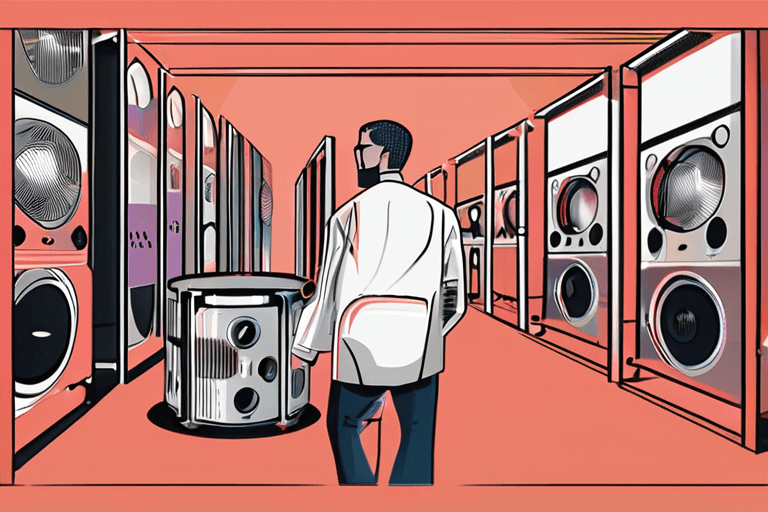
The transformation of communication, particularly in the hybrid work environment, is another area of significant change. According to Brendan Ittelson, chief ecosystem officer at Zoom, "Audio and video just working is a baseline for collaboration." This shift has been powered by artificial intelligence and new acoustic technologies, with companies across industries reimagining clear and reliable communication (MIT Technology Review).


















AI Experts & Community
Be the first to comment