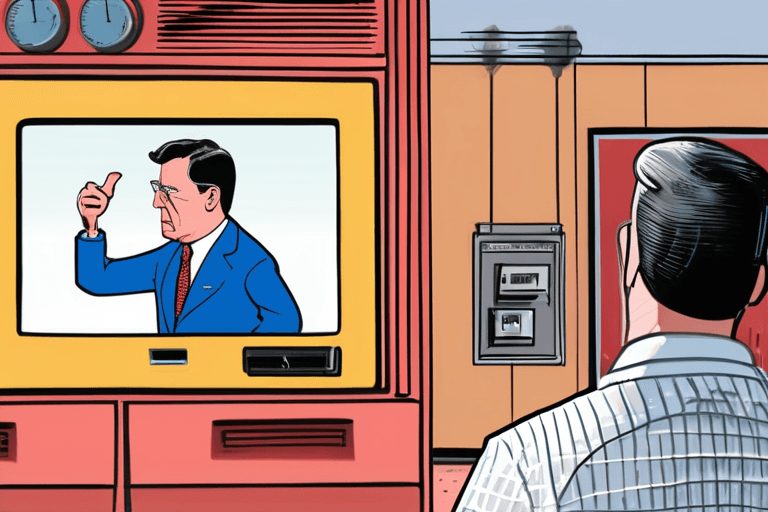
CBS censored an interview with a Democratic Senate candidate on "The Late Show with Stephen Colbert" due to Federal Communications Commission (FCC) concerns about equal-time rules, according to reports from multiple news sources, including Ars Technica and Time. This action potentially impacts political coverage on late-night talk shows and comes amid broader shifts in the political landscape, including a decline in support for Donald Trump among young voters and rising global tensions.
The FCC's scrutiny of political coverage has intensified, particularly following an investigation into ABC's "The View," as reported by Ars Technica. This investigation could end the exemption that allowed entertainment talk shows to avoid providing equal airtime to opposing candidates. The situation highlights the challenges media outlets face in navigating regulations while covering political figures and events.
Simultaneously, the political climate is experiencing significant shifts. Polls indicate a notable decline in Donald Trump's support among young people, especially Gen Z voters, as noted by Time. This demographic shift suggests a potential realignment in voter preferences.
Beyond domestic politics, global tensions are escalating. Al Jazeera reported on rising tensions between the United States and Iran, mirroring historical patterns of conflict. The 1980s saw significant upheaval in Latin America, including the Nicaraguan Sandinista revolution and civil war fueled by US involvement, the US invasion of Panama, and the end of Augusto Pinochet's rule in Chile, according to Al Jazeera.
Adding to the complexity of the current environment, the Social Security trust fund is projected to be depleted by 2032, potentially leading to benefit cuts if Congress doesn't act, as reported by Fortune. Economists warn that inaction, particularly relying on increased debt, could trigger rapid inflation and economic instability due to market concerns about the government's ability to meet its financial obligations.
In a separate historical analysis, Vox examined the 1930s in Finland, where a radical conservative faction, the Lapua movement, nearly pushed the country into authoritarianism. The group sought to overthrow the republic and install an authoritarian government, but ultimately failed. This historical context offers a case study in how democracies can be threatened and how they can withstand such threats.


















AI Experts & Community
Be the first to comment