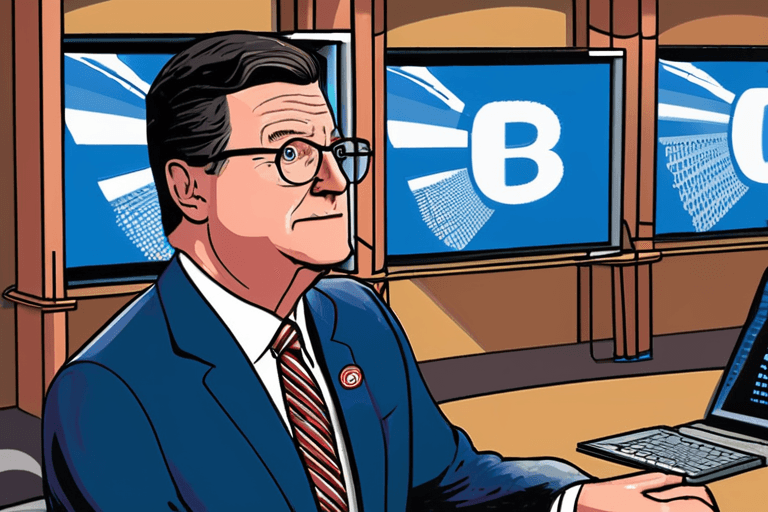
Stephen Colbert, host of CBS's "The Late Show," was recently barred by CBS lawyers from airing an interview with a Texas Democrat, according to Vox. This incident, coupled with other developments, highlights the ongoing influence of political events on late-night television.
The news comes amidst a broader examination of the impact of political events on various aspects of culture. According to Time, the series finale of "Tell Me Lies" explored the consequences of deception among young people. The opening scene featured Bree, played by Catherine Missal, contemplating her engagement while her former flame, Wrigley (Spencer House), enters the picture, sparking a moment of recognition. The series, which spanned three seasons, delved into the complexities of self-preservation, ambition, and the avoidance of truth.
Meanwhile, Vox also reported on the changing landscape of social interactions, particularly within the LGBTQ+ community. The hookup app Grindr, once a revolutionary platform, is now facing new challenges. The introduction of EDGE, a new subscription plan powered by gAI technology, raises questions about the evolution of arranging sex in the digital age.
In other news, Vox also explored historical parallels, examining how American democracy can learn from 1930s Finland. During that time, a radical conservative faction, the Lapua movement, nearly pushed Finland into authoritarianism. This group sought to overthrow the republic and install an authoritarian government, using threats of violence and symbolic kidnappings to disrupt the political order.
Finally, Vox also reviewed the film adaptation of Emily Brontë’s "Wuthering Heights," noting that the film has more in common with a Nicholas Sparks book.

















AI Experts & Community
Be the first to comment