The UK and France conducted a joint airstrike on an underground arms cache in Syria used by the Islamic State group (IS), potentially disrupting the group's supply chain and impacting regional security. The strike, which took place late on Saturday, targeted a facility located in mountains north of Palmyra, an ancient site in central Syria.
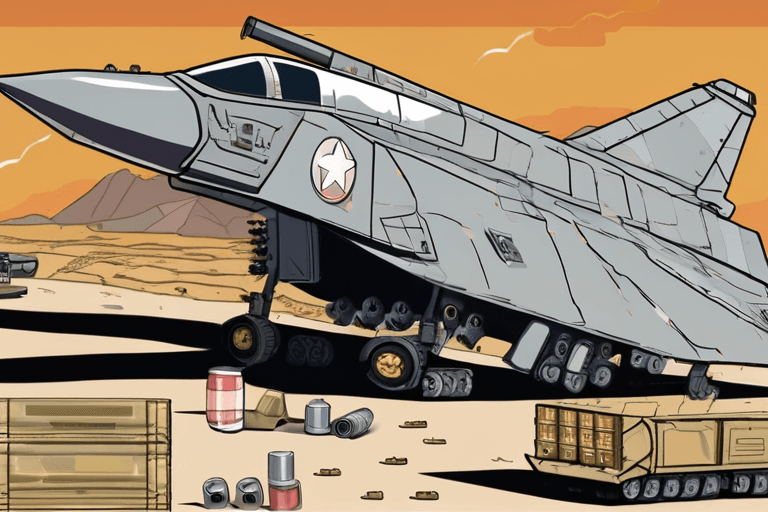
The UK Ministry of Defence (MoD) stated that "careful" intelligence analysis led officials to believe the facility was storing arms and explosives. Royal Air Force Typhoon jets, supported by a Voyager refuelling tanker, used Paveway IV guided bombs to target access tunnels leading to the facility. Initial indications suggest the target was successfully engaged, with no reported harm to civilians. Detailed assessment of the strikes is currently underway.
While specific financial figures related to the arms cache are unavailable, the destruction of such a facility can have significant implications for IS's operational capabilities and financial resources. The cost of rebuilding or replacing the destroyed arms would likely strain the group's finances, potentially impacting its ability to conduct attacks and maintain control over territory. The cost of the UK and French operation is also significant, involving sophisticated aircraft and munitions, as well as intelligence gathering and analysis.
The strike occurs within a broader context of ongoing efforts to combat IS in Syria and Iraq. The group, which once controlled significant swathes of territory, has been significantly weakened in recent years, but continues to pose a threat through insurgent attacks and terrorist activities. Disrupting its access to weapons and supplies is crucial to further degrading its capabilities. The market impact is felt in the defense sector, with companies producing guided bombs and refuelling tankers benefiting from such operations.
The UK's involvement in the strike underscores its commitment to international security and its willingness to work with allies to combat terrorism. The use of advanced military technology, such as Paveway IV guided bombs, highlights the increasing role of technology in modern warfare. The Royal Air Force Typhoon FGR4s were supported by a Voyager refuelling tanker. IS imposed jihadist rule over parts of Syria and Iraq until 2019.
Looking ahead, continued efforts to disrupt IS's financial and logistical networks will be crucial to preventing its resurgence. This will likely involve a combination of military action, intelligence gathering, and international cooperation. The successful targeting of the arms cache near Palmyra represents a significant step in this direction, but sustained vigilance and proactive measures will be necessary to ensure the long-term defeat of IS.
















Discussion
Join the conversation
Be the first to comment