
Entertainment1h ago
Japanese seven eleven

20

The clock's winding down, the final whistle's about to blow on the holiday season, and for many, the scoreboard reads: Relaxation 0, Return to Reality looming. It's the bottom of the ninth, bases loaded with leftover turkey, and the pressure's on. But don't call a timeout just yet. This isn't a guaranteed loss.
Just like a team facing a tough opponent, the transition back to work after Christmas can feel like a daunting challenge. Weeks of leisurely strolls through the park have given way to the impending marathon of deadlines, meetings, and emails. The shift can trigger a mix of emotions, from reluctance to outright anxiety, even for those who genuinely enjoy their jobs. It's a universal feeling, a collective groan echoing across offices and Zoom calls.
Think of it like this: you've been watching the playoffs from the sidelines, enjoying the camaraderie and the off-season buzz. Now, it's time to lace up those boots and get back in the game. The key, according to workplace experts, isn't about magically summoning motivation, but about strategically adjusting your mindset. It's about crafting a game plan for a smooth re-entry.
The first quarter of this comeback strategy starts with the weekend, specifically Sunday. Beth Hope, an executive coach, sees the "Sunday scaries" as a common opponent. "Sunday blues are very common and usually come from anticipatory stress," she explains. "The brain predicts a high demand on Monday and activates the stress response early." It's like facing a star quarterback known for his blitzing prowess – you anticipate the pressure and brace for impact.
Hope's advice? "Create a gentle bridge between weekend and work mode" so the return doesn't feel like a sudden, jarring tackle. It's about easing back into the rhythm, like a pitcher warming up his arm before stepping onto the mound.
One simple play: planning Monday's top priority on Friday afternoon. This pre-emptive strike allows you to enter the week with a clear objective, a defined target, rather than feeling overwhelmed by a sea of tasks. It's the equivalent of knowing the first play of the game – a confidence booster that sets the tone.
This approach mirrors the strategies of legendary coaches who emphasize preparation and mental fortitude. Remember Vince Lombardi's famous quote: "Practice doesn't make perfect. Perfect practice makes perfect." In this context, "perfect practice" means consciously preparing for the week ahead, mitigating the shock of the return.
So, as the final seconds tick down on the holiday break, don't let the pressure get to you. Embrace the challenge, strategize your return, and remember that even the best teams face setbacks. With a little planning and a shift in mindset, you can turn that post-Christmas dread into a triumphant comeback. The game's not over until the final whistle blows, and you've still got plenty of time to score.
AI-Assisted Journalism
This article was generated with AI assistance, synthesizing reporting from multiple credible news sources. Our editorial team reviews AI-generated content for accuracy.
Deep insights powered by AI
Continue exploring
Greg Abel's ascent to CEO of Berkshire Hathaway comes with a significant financial reward, signaling the conglomerate's confidence in his leadership as he steps into the shoes of Warren Buffett. Effec
Amidst a backdrop of economic anxieties in Greenland, U.S. President Donald Trump has once again voiced his desire for the United States to acquire the Arctic territory, sparking a wave of controversy

Dell is bringing back its popular XPS laptop line after a brief and unpopular rebranding attempt, signaling a potential shift away from solely focusing on the "AI PC" trend. This revival marks a return to the trusted XPS formula of thin, lightweight designs with modern features, offering consumers a familiar and reliable option in the ultralight laptop market.


A proposal by the FCC to allow prisons to jam cell phone signals to prevent contraband phone use is facing strong opposition from wireless carriers like AT&T and Verizon. These companies argue that jamming technology indiscriminately blocks all signals, including legitimate communications and emergency calls, and that the FCC lacks the authority to authorize such interference. This debate highlights the challenge of balancing security needs with the importance of maintaining reliable communication infrastructure for the public.


Nvidia's CES presentation prioritized AI, foregoing new GeForce GPUs in favor of software enhancements like DLSS 4.5, which improves upscaling with a second-generation transformer model trained on a larger dataset, enhancing image quality, especially in performance modes. The updated DLSS Multi-Frame Generation now supports up to five AI-generated frames per rendered frame, dynamically adjusting the number of generated frames based on scene complexity.
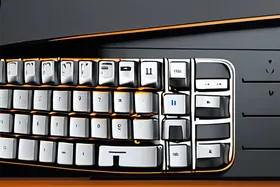
HP's EliteBoard G1a introduces a Windows 11 PC integrated into a membrane keyboard, offering a user-friendly alternative to Raspberry Pi-based keyboard computers. Powered by an AMD Ryzen AI 3 processor, the EliteBoard targets business users seeking a streamlined, accessible computing experience within a familiar form factor.

Motorola is entering the large foldable market with the Razr Fold, a book-style device featuring a 6.6-inch external display and an 8.1-inch 2K internal foldable screen, aiming to compete with Samsung and Google. Launching this summer, the Razr Fold will support the Moto Pen Ultra, differentiating itself through stylus integration, a feature previously seen in earlier Samsung foldable models.


Mobileye is expanding into robotics with the $900 million acquisition of Mentee Robotics, a startup focused on humanoid robots, marking the beginning of "Mobileye 3.0." This move combines Mobileye's expertise in automotive AI and computer vision with Mentee's robotics innovations, potentially leading to advancements in both industries, with the transaction expected to modestly increase Mobileye's operating expenses in 2026.


The "Ralph Wiggum" plugin for Claude Code, named after the Simpsons character, is revolutionizing AI development by employing a brute-force, failure-driven approach to autonomous coding. This methodology, originating from unconventional beginnings, is pushing the boundaries of agentic coding, transforming AI from a collaborative partner into a tireless, self-correcting worker, sparking excitement and debate within the AI community.

The "Art TV" trend, pioneered by Samsung's Frame, is gaining momentum as more manufacturers like Hisense, TCL, LG, and Amazon release TVs designed to display art when not in use, driven by aesthetic preferences and advancements in screen technology. This shift reflects a growing demand for TVs that seamlessly integrate into home decor, particularly in urban environments with smaller living spaces, showcasing how AI and display tech are converging to enhance user experience beyond mere entertainment.
Discussion
Join the conversation
Be the first to comment