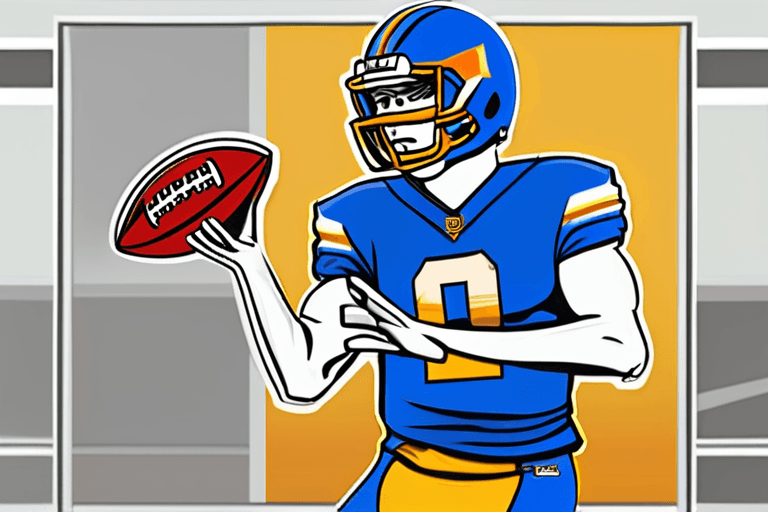
Dante Moore, the University of Oregon's star quarterback, forfeited a potential $50 million payday by choosing to remain in college for another season. The decision, announced Wednesday, sent ripples through the sports and business worlds, highlighting the evolving economics of college athletics.
Moore's decision to delay his entry into the NFL draft, where he was projected to be a top-two pick, meant foregoing a rookie contract potentially exceeding the $46.65 million deal signed by last year's No. 2 pick, Travis Hunter. Projections indicated this year's earnings for top draft picks would likely surpass that figure. In the 2025 season, Moore threw for an impressive 3,565 yards and recorded 30 touchdowns, solidifying his status as a premier college player.
This move bucks the trend of top college athletes rushing to the professional ranks at the earliest opportunity. Moore's choice reflects a growing trend of college athletes leveraging NIL (Name, Image, Likeness) deals and the enhanced college experience to build their brand and refine their skills before turning pro. The financial implications are significant, as Moore is betting on himself to improve his draft stock even further, potentially leading to an even larger contract in the future.
Moore's decision is reminiscent of Stanford quarterback Andrew Luck's choice in 2011 to delay his NFL entry to complete his architectural design degree. Such decisions, while rare, underscore the complex factors influencing young athletes' career paths, extending beyond immediate financial gain.
Looking ahead, Moore's additional year at Oregon could significantly impact the team's performance and marketability. A successful season could further elevate his profile and potentially increase his future earning potential. His choice also serves as a case study for other college athletes weighing the immediate financial rewards of the NFL against the potential long-term benefits of staying in school.

















Discussion
Join the conversation
Be the first to comment