State and federal lawmakers are increasingly scrutinizing the energy consumption of data centers, driven by concerns that the facilities, crucial for artificial intelligence development, are contributing to rising electricity costs for residents and small businesses. A bipartisan effort is underway across at least a dozen states, including Florida, Oklahoma, New York, and California, to address the issue through proposed legislation and other measures aimed at shielding consumers from potential rate hikes.
Senator Chris Van Hollen, a Democrat from Maryland, introduced legislation on Thursday designed to ensure technology companies contribute equitably to the costs of upgrading the electric grid to meet the energy demands of data centers. "Technology companies should pay their fair share of costs for upgrades to the electric grid that are needed to provide energy to data centers," Van Hollen stated, emphasizing the need for a balanced approach.
The senator's bill references recent analysis projecting that data centers could consume as much as 12 percent of all U.S. electricity by 2028, nearly double their current share. This surge in energy demand is directly linked to the escalating development and deployment of AI technologies, which rely heavily on data centers for processing and storage. These centers house powerful servers that perform the complex calculations required for AI models to learn and operate, a process that consumes significant amounts of electricity.
The debate centers on how to fairly allocate the costs associated with expanding and modernizing the power grid to accommodate the growing energy needs of these facilities. Data centers, often located in specific geographic areas, can place a significant strain on local power infrastructure, potentially leading to higher electricity rates for other consumers. The core question is whether these companies should bear a greater financial responsibility for the infrastructure upgrades necessary to support their operations.
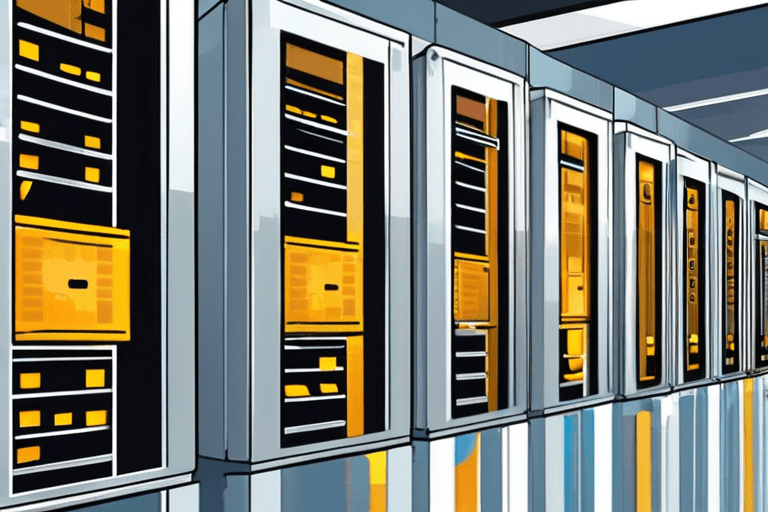
The rapid expansion of AI is fueling the growth of data centers. AI algorithms, particularly those used in machine learning, require vast amounts of data to train effectively. This data is stored and processed in data centers, which are essentially warehouses filled with computer servers. As AI becomes more integrated into various aspects of daily life, from virtual assistants to autonomous vehicles, the demand for data processing and storage will continue to increase, further exacerbating the energy consumption of data centers.
While there is broad agreement on the need for data centers to contribute more to energy costs, a consensus on the specific mechanisms for achieving this has yet to emerge. Various proposals are under consideration, including taxes on electricity consumption, fees for grid upgrades, and incentives for data centers to adopt more energy-efficient technologies. The ongoing discussions among lawmakers, tech executives, and energy experts will likely shape the future of energy policy related to data centers and the AI industry.



















Discussion
Join the conversation
Be the first to comment