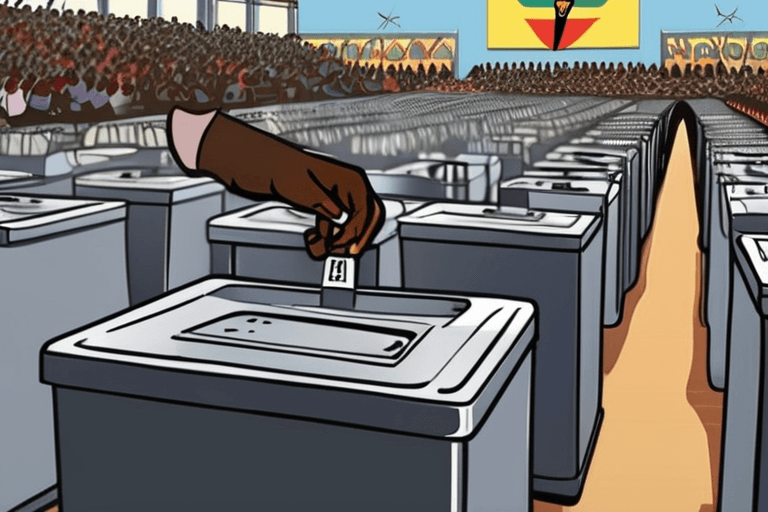
Polls closed in Uganda's presidential election on Friday amid a continued internet blackout and opposition allegations of widespread vote rigging. The election pits incumbent President Yoweri Museveni, who has been in power for nearly four decades, against opposition leader Bobi Wine, a pop star turned politician.
Counting of ballots began immediately after the polls closed, with results expected to be announced within 48 hours. The election commission reported a high voter turnout despite reports of intimidation and violence in the lead-up to the election. "We are committed to ensuring a free and fair election," stated a spokesperson for the commission, adding that all reports of irregularities would be investigated.
Museveni, who came to power in 1986, is seeking a sixth term in office. His campaign has focused on stability and economic progress, citing infrastructure development and Uganda's role in regional security. Wine, whose real name is Robert Kyagulanyi Ssentamu, has galvanized a large following, particularly among young people, with his calls for change and an end to corruption.
The internet shutdown, which began on the eve of the election, has drawn condemnation from international observers and rights groups. Critics argue that the blackout is intended to stifle dissent and prevent the dissemination of information about alleged electoral malpractices. "The shutdown of the internet is a blatant attempt to silence Ugandans and prevent them from exercising their right to freedom of expression," said a statement from Amnesty International. The government has defended the measure, citing security concerns.
Wine has repeatedly accused Museveni's government of rigging the election, pointing to incidents of ballot stuffing, voter intimidation, and the arrest of opposition supporters. He has called on his supporters to remain vigilant and report any irregularities they witness. Museveni's supporters have dismissed these allegations as baseless, accusing Wine of inciting violence and undermining the electoral process.
The election is taking place against a backdrop of rising political tensions and a crackdown on dissent. In recent months, several opposition figures have been arrested, and protests have been violently suppressed. The United States and the European Union have expressed concern about the human rights situation in Uganda and have called for a transparent and credible election. The outcome of the election will have significant implications for the future of Uganda and its role in the region.



















Discussion
Join the conversation
Be the first to comment