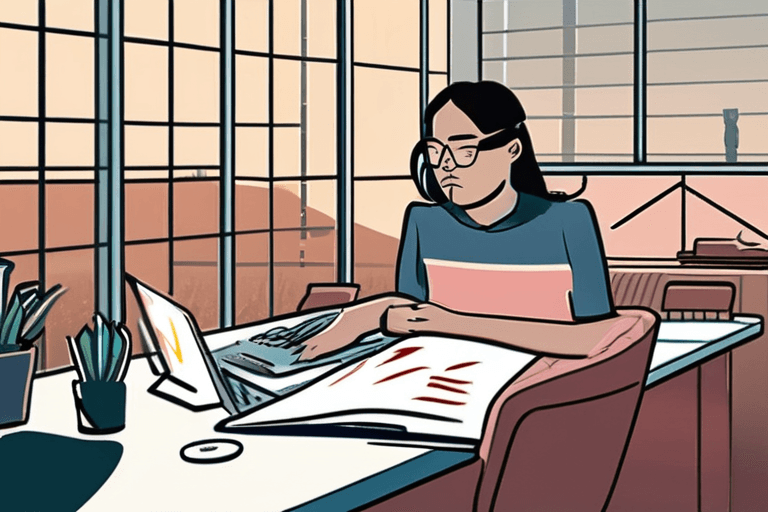
PhD students often face burnout. A Stanford University doctoral candidate is relearning how to rest after years of exhaustion. The student, now in their fourth year, realized their mental health suffered despite a supportive environment. This revelation occurred during a visit from their mother in July.
The student admitted to subtly signaling overwork. This included mentioning weekend lab time and sending emails at odd hours. The behavior reflects a broader academic culture. This culture often rewards burnout and discourages rest, experts say.
The immediate impact is a personal re-evaluation. The student is now prioritizing rest. This situation highlights the need for systemic change within academia.
Burnout can lead to serious health consequences. Chronic stress elevates cortisol levels. This can impair cognitive function and increase the risk of cardiovascular disease, according to medical research.
Universities must address this issue. Experts recommend promoting work-life balance. Further research is needed to understand the long-term effects of academic burnout.





















Discussion
Join the conversation
Be the first to comment