Adoption rates for Apple's iOS 26 update are significantly lower than previous iOS updates, according to recent reports. Data from Statcounter for January indicates that various versions of iOS 26 are running on only 16.6 percent of all devices.
This figure contrasts sharply with the approximately 70 percent adoption rate seen for the various versions of iOS 18. The iOS 18.7 update, released concurrently with iOS 26.0 in September, appears to be running on nearly one-third of all iOS devices. This update provided security patches for users who preferred to remain on the older operating system.
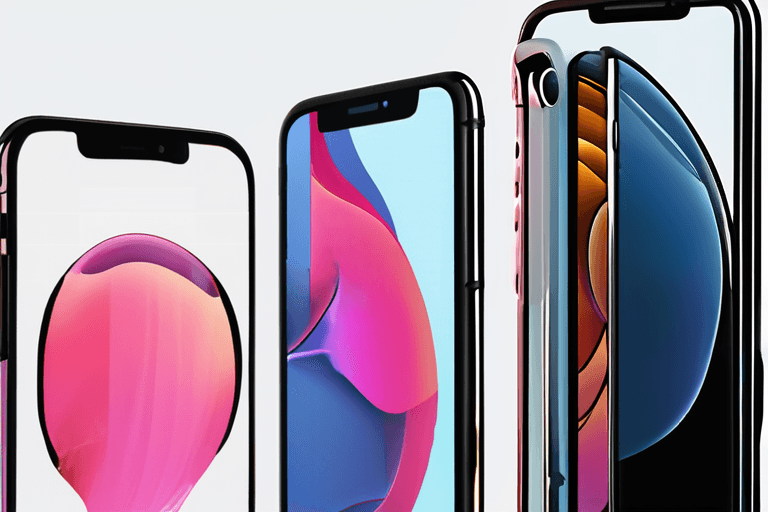
The lower adoption rate of iOS 26 has led to speculation that iPhone users are avoiding the redesigned "Liquid Glass" user interface. While it is difficult to definitively determine the reasons behind users' choices, the significant difference in adoption rates suggests a possible aversion to the new design.
The "Liquid Glass" interface represents a significant departure from previous iOS designs. It incorporates elements of transparency and dynamic blurring, aiming for a more fluid and immersive user experience. However, some users may find the new design visually distracting or resource-intensive, potentially impacting performance on older devices.
The implications of users rejecting a major operating system update extend beyond mere aesthetic preferences. Widespread adoption of the latest OS is crucial for maintaining security and ensuring compatibility with new apps and services. A fragmented user base, with a significant portion remaining on older operating systems, can create challenges for developers and potentially expose users to security vulnerabilities.
Apple has not yet commented on the lower adoption rates of iOS 26. It remains to be seen whether the company will address user concerns about the "Liquid Glass" interface in future updates or offer alternative design options. The situation highlights the complex interplay between technological innovation, user preferences, and the broader ecosystem of mobile devices and applications.

















Discussion
Join the conversation
Be the first to comment