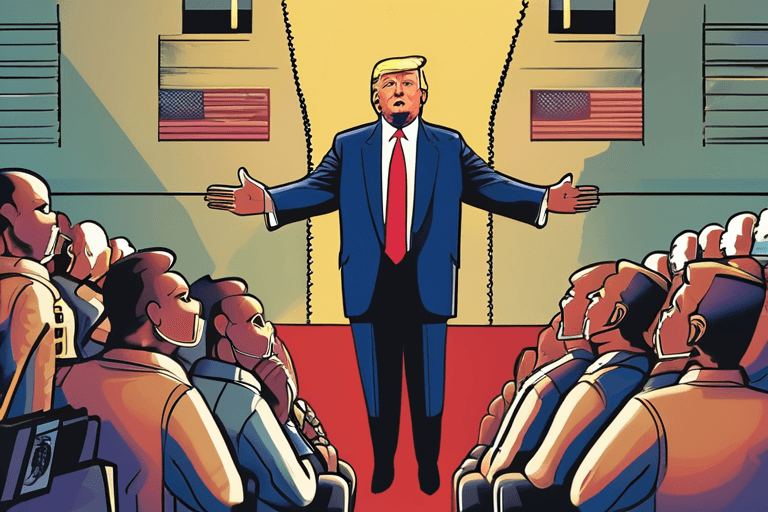
President Trump threatened Thursday to invoke the Insurrection Act in Minnesota to quell protests sparked by the fatal shooting of a Minneapolis woman by an Immigration and Customs Enforcement (ICE) agent a week prior. The threat came via a post on Truth Social, where Trump stated, "If the corrupt politicians of Minnesota don't obey the law and stop the professional agitators and insurrectionists from attacking the Patriots of I.C.E., who are only trying to do their job, I will institute the INSURRECTION ACT, which many Presidents have done before."
The Insurrection Act is a federal law, dating back to 1807, that empowers the President to deploy U.S. military troops on American soil in cases of insurrection, rebellion, or domestic violence where state authorities are unable or unwilling to maintain order. Legal experts note the Act is rarely invoked and typically reserved for extreme circumstances.
The protests in Minnesota intensified after an ICE agent fatally shot Renee Macklin Good, 37, and further escalated Wednesday evening when ICE agents shot a Venezuelan immigrant in the leg during an attempted arrest. These incidents fueled nationwide demonstrations against ICE's presence and actions.
The Insurrection Act grants the president broad authority, but its use is subject to legal interpretation and potential challenges. Historically, presidents have invoked the Act in situations ranging from suppressing the Whiskey Rebellion in 1794 to enforcing civil rights laws in the 1960s. The decision to deploy the military domestically is a significant one, raising concerns about federal overreach and the militarization of law enforcement.
The potential invocation of the Insurrection Act raises concerns among civil liberties advocates, who argue that deploying the military against protesters could violate constitutional rights. Critics also point to the potential for escalating tensions and further violence. The situation in Minnesota remains tense, with ongoing protests and heightened scrutiny of ICE's operations. The governor of Minnesota has not yet commented on the President's threat. The next steps will likely depend on the actions of state and local authorities in managing the protests and addressing the underlying concerns of the demonstrators.












Discussion
Join the conversation
Be the first to comment