Researchers in Uganda discovered that treating cloth wraps with the insect repellent permethrin cut rates of malaria in infants carried in them by two-thirds. The study highlights a potentially simple and effective tool in combating malaria, especially as mosquito bites become more common during daytime.
The trial, conducted in Kasese, a rural, mountainous region of western Uganda, involved 400 mothers and their babies, approximately six months old. The findings suggest that this method could significantly reduce the burden of malaria, which kills more than 600,000 people annually, predominantly children under five in Africa.
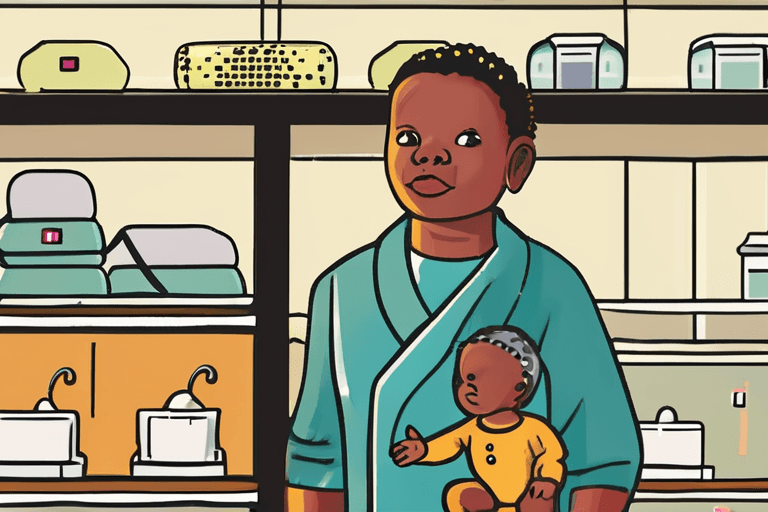
For centuries, mothers across Africa, Latin America, and Asia have carried their babies in cloth wraps. This traditional practice, deeply embedded in various cultures, is now being explored for its potential to deliver a lifesaving intervention. Permethrin, the insecticide used in the study, is commonly used and relatively inexpensive, making it a potentially accessible solution for communities with limited resources.
The implications of this research extend beyond Uganda. If implemented widely, treated cloth wraps could represent a significant step forward in malaria prevention efforts across the globe. Further studies are needed to assess the long-term effectiveness and scalability of this intervention, as well as to address any potential concerns regarding insecticide resistance. However, the initial results offer a promising new avenue in the fight against this deadly disease, leveraging a time-honored cultural practice for public health benefit.





















Discussion
Join the conversation
Be the first to comment