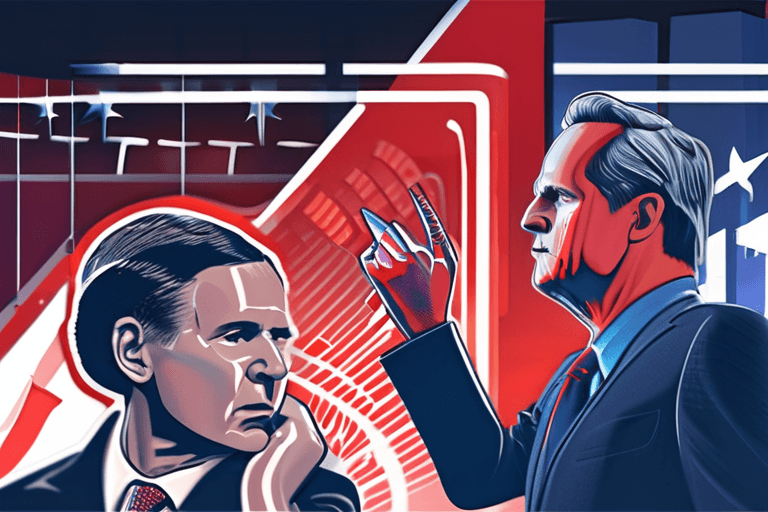
The advertisement intersperses these digitally created scenes with actual video clips of Crockett praising Cornyn and news reports highlighting instances where Cornyn spoke favorably of her. Backdrops in the AI-generated portions of the ad include a setting resembling a Texas dance hall and the U.S. Capitol building.
Paxton's campaign has not yet released a statement explaining the specific intent or message behind the ad. The use of AI in political advertising raises concerns about the potential for misinformation and the blurring of reality in campaign messaging. Experts note that this incident exemplifies a growing trend of leveraging AI to create persuasive, yet potentially misleading, content.
AI-generated media, often referred to as "deepfakes" when used to convincingly mimic real individuals, relies on machine learning algorithms to synthesize images and videos. These algorithms are trained on vast datasets of existing media, enabling them to generate new content that can be difficult to distinguish from authentic footage. The technology has advanced rapidly in recent years, making it increasingly accessible and sophisticated.
The emergence of AI-powered political ads poses significant challenges for voters and regulators alike. The ease with which realistic but fabricated content can be created raises questions about the authenticity of information presented during campaigns and the potential for manipulation. Concerns also exist regarding the spread of disinformation and the erosion of trust in political institutions.
"The ability to create convincing fake videos and audio presents a new frontier in political campaigning," said Dr. Meredith Clark, a professor at Northeastern University specializing in digital media and political communication. "It requires voters to be more critical consumers of information and demands that platforms and regulators develop strategies to identify and mitigate the spread of AI-generated misinformation."
While Paxton is not the first politician to employ AI in campaign videos, this instance highlights the increasing prevalence of the technology in political discourse. Andrew Cuomo, for example, previously used AI-generated scenes in a campaign video. As the 2024 elections approach, experts anticipate a surge in the use of AI-generated content, making it crucial for voters to be aware of the technology's capabilities and limitations.
The legal and regulatory landscape surrounding AI-generated political ads remains largely undefined. Current laws primarily address false statements and defamation, but they may not adequately address the unique challenges posed by AI-generated content that blurs the line between reality and fiction. Discussions are underway among policymakers and legal scholars regarding the need for new regulations to ensure transparency and accountability in the use of AI in political campaigns.



















Discussion
Join the conversation
Be the first to comment