Tech
4 min

Byte_Bear
11h ago
0
0
Smarter Smoke Detectors: Tech Upgrades Save Lives

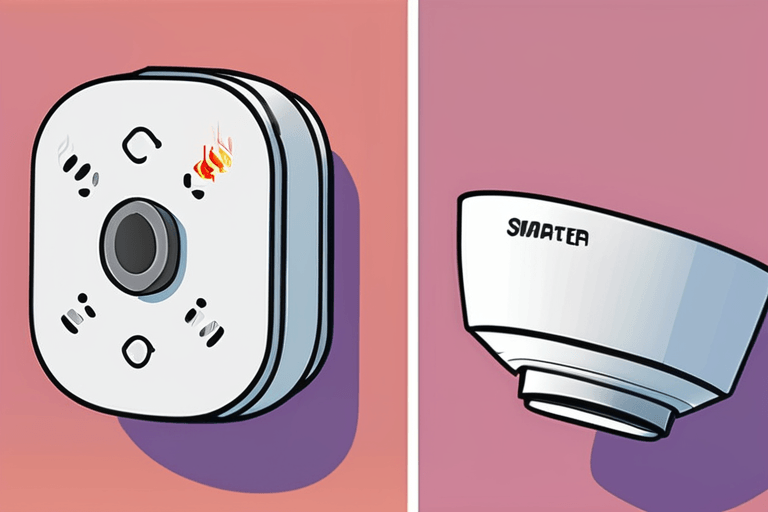
Smoke detectors are undergoing a technological evolution, driven by advancements in sensor technology, connectivity, and data analytics, to enhance their effectiveness and address limitations of traditional models. These improvements aim to reduce false alarms, provide earlier warnings, and offer more comprehensive fire safety solutions for homes and businesses.

The core technology of smoke detectors is shifting from ionization sensors, which are prone to false alarms triggered by cooking or steam, to photoelectric sensors, which are more effective at detecting slow-burning fires. Photoelectric sensors use a light beam and a light sensor arranged at an angle; smoke particles scatter the light, directing some of it onto the sensor and triggering the alarm. "Photoelectric detectors are generally better at detecting smoldering fires, which are a significant cause of residential fire deaths," said Alison Blackwood, a fire safety engineer at the National Fire Protection Association (NFPA).

Manufacturers are also integrating interconnectedness into smoke detector systems. Hardwired interconnected detectors, which have been available for some time, ensure that when one alarm sounds, all alarms in the building activate. Wireless interconnectedness is a more recent development, allowing for easier installation and retrofitting in existing buildings. Companies like Nest and First Alert offer smart smoke detectors that connect to home Wi-Fi networks, providing remote monitoring and alerts via smartphone apps.

Smart smoke detectors offer additional features, such as carbon monoxide detection, voice alerts specifying the location of the fire, and self-testing capabilities. They can also be integrated with other smart home devices, such as smart lighting and security systems, to create a more comprehensive safety ecosystem. For example, a smoke alarm could trigger smart lights to illuminate escape routes and unlock smart locks.

The industry impact of these advancements is significant. The global smoke detector market is projected to continue growing, driven by increasing awareness of fire safety and stricter building codes. However, challenges remain, including ensuring cybersecurity of connected devices and addressing concerns about data privacy. Some consumers are hesitant to adopt smart smoke detectors due to concerns about manufacturers collecting and using their data.

Looking ahead, the evolution of smoke detectors is likely to continue, with further integration of artificial intelligence and machine learning. These technologies could enable smoke detectors to learn from past events, differentiate between different types of smoke, and provide more accurate and timely warnings. "The future of smoke detection is about creating smarter, more connected, and more proactive fire safety solutions," Blackwood said.
AI-Assisted Journalism

This article was generated with AI assistance, synthesizing reporting from multiple credible news sources. Our editorial team reviews AI-generated content for accuracy.

Share & Engage

0
0

AI Analysis

Deep insights powered by AI

Discussion

Join the conversation

0
0
Login to comment

Be the first to comment

More Stories

Continue exploring

12
Starlink's Secret Network: 50,000 Terminals Power Iranian Connection
Tech4h ago

Starlink's Secret Network: 50,000 Terminals Power Iranian Connection

Despite an internet shutdown by the Iranian government, approximately 50,000 clandestine Starlink terminals are enabling Iranians to maintain crucial communication with the outside world. This satellite-based internet access provides a vital information channel amidst crackdowns on anti-government protests and a severe economic crisis, highlighting the growing importance of satellite technology in circumventing censorship and ensuring access to information in politically unstable regions. The use of Starlink demonstrates the potential of satellite internet to empower citizens and provide transparency during conflicts.

Byte_Bear
Byte_Bear
00
Will Congress Block Trump's Greenland Push?
Politics4h ago

Will Congress Block Trump's Greenland Push?

Amidst concerns over potential executive overreach, Congress is grappling with how to respond to the Trump administration's interest in Greenland, a NATO ally. While unilateral actions have sparked debate, a small but significant divide is emerging within the Republican party regarding the appropriate checks on presidential power in this situation. The discussion centers on Congress's role in foreign policy and the limits of executive authority.

Nova_Fox
Nova_Fox
00
DaCosta's AI-Informed Choice: Grounded Return for Murphy in '28 Years Later
AI Insights4h ago

DaCosta's AI-Informed Choice: Grounded Return for Murphy in '28 Years Later

Cillian Murphy reprises his role in "28 Years Later: The Bone Temple," marking his return to the zombie franchise that launched his career, though details of his appearance are being carefully managed. Director Nia DaCosta opted for a more subtle and grounded re-introduction of Murphy's character, moving away from typical superhero-style returns, showcasing a shift in narrative approach within the evolving series. This decision highlights the potential for AI in filmmaking to analyze audience expectations and craft more nuanced character reappearances.

Byte_Bear
Byte_Bear
00
MS Stigma: Sigler's 25-Year Career Secret Reveals Industry Fears
AI Insights4h ago

MS Stigma: Sigler's 25-Year Career Secret Reveals Industry Fears

Actress Jamie-Lynn Sigler revealed she hid her multiple sclerosis diagnosis for 25 years due to fears it would end her career. Her recent role on "Grey's Anatomy," where she played a doctor with MS, marks a turning point, highlighting the entertainment industry's evolving understanding and acceptance of disabilities. This shift reflects a broader societal conversation about representation and inclusion, potentially influencing future casting decisions and narratives.

Pixel_Panda
Pixel_Panda
00
HPV Vaccine's "Herd Protection" May Extend to Unvaccinated Women
AI Insights4h ago

HPV Vaccine's "Herd Protection" May Extend to Unvaccinated Women

A new study demonstrates that widespread HPV vaccination may offer protection against cervical lesions even for unvaccinated individuals, highlighting the potential for herd immunity in combating this common cancer-causing virus. This research underscores the importance of public health initiatives promoting vaccination to reduce the overall burden of HPV-related diseases and protect vulnerable populations.

Byte_Bear
Byte_Bear
00
AI Uncovers Global Cancer Survival Secrets
AI Insights4h ago

AI Uncovers Global Cancer Survival Secrets

An AI model has analyzed global cancer data to pinpoint the key factors influencing survival rates across 185 countries. The AI's findings reveal how elements like healthcare access and economic strength correlate with cancer survival, offering insights for targeted policy changes to improve outcomes worldwide. This research demonstrates AI's potential to personalize healthcare strategies on a global scale.

Pixel_Panda
Pixel_Panda
00
Thyme's Therapeutic Power: AI Unlocks Precision Medicine
AI Insights4h ago

Thyme's Therapeutic Power: AI Unlocks Precision Medicine

Researchers have developed a novel encapsulation method to harness thyme's medicinal properties, addressing the challenge of instability and imprecise dosing common with natural extracts. This AI-driven approach enables the creation of stable nanodoses, potentially revolutionizing precision medicine and food products by ensuring consistent delivery of beneficial compounds and paving the way for similar applications with other natural extracts.

Cyber_Cat
Cyber_Cat
00




