The genesis of Oshen came from Laverack's attempt to participate in the Microtransat Challenge in 2021, a competition focused on building autonomous, sail-powered micro-robots capable of crossing the Atlantic. Despite her experience as a sailor, Laverack, like all other participants, was unsuccessful. This led her to realize a significant problem: the lack of comprehensive ocean data hindered the success of such ventures. "I realized half the reason that all of these attempts were failing is, number one, obviously its hard to make micro-robots survive on the ocean," Laverack told TechCrunch. "But number two, they dont have enough data on the ocean to know what the weather is or even know what the ocean conditions are like."
Laverack's search for existing ocean data at conferences like Oceanology International revealed that no effective method for collecting such data existed. Instead, she found potential clients willing to pay for her to gather the data. This realization led to the creation of Oshen, focusing on building and deploying fleets of ocean robots.
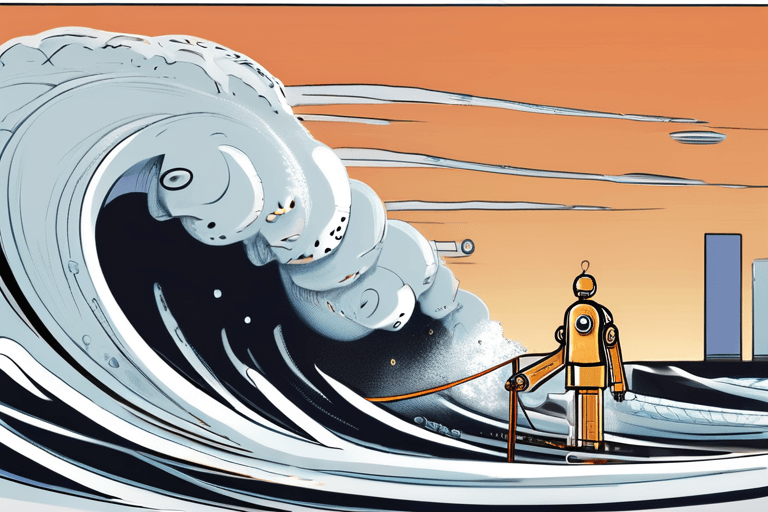
The robots are designed to withstand extreme conditions, including Category 5 hurricanes, and collect data on various parameters such as wave height, water temperature, and wind speed. This data is crucial for improving weather forecasting, understanding climate change impacts, and enhancing maritime safety. The specific technical details of the robot's construction and data collection methods were not disclosed.
The development of these robots represents a significant advancement in oceanographic data collection. Traditional methods are often limited by cost, logistical challenges, and the inability to operate in severe weather. Oshen's robots offer a more efficient and resilient solution, potentially revolutionizing how scientists and industries gather ocean data. The company is currently focused on deploying its robots in strategic locations to gather comprehensive datasets. Future developments may include expanding the range of sensors on the robots and improving their autonomous navigation capabilities.













Discussion
Join the conversation
Be the first to comment