Doctors Without Borders (Médecins Sans Frontières), or MSF, clinics in Gaza are facing potential closure, threatening to leave a critical gap in healthcare services for a population already struggling with widespread injuries and limited access to medical care. The closures would impact services such as physical therapy, wound care, and mental health support, all vital for Gazans injured in recent conflicts.
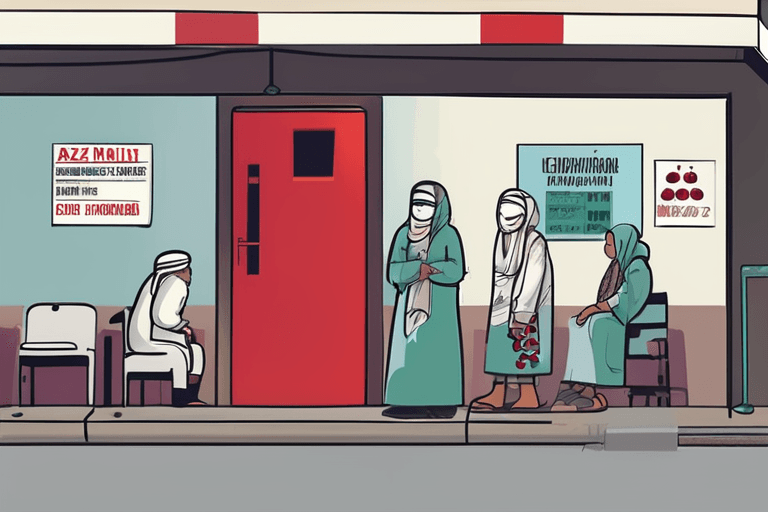
Aseel Hamada, a 24-year-old Gazan awaiting physical therapy at an MSF clinic in Gaza City, is among those who would be directly affected. Hamada lost her right leg above the knee and sustained injuries to her arm and face on Sept. 9 when her apartment, which she was preparing to evacuate, was struck by tank fire. She still requires plastic surgery to address her facial wounds, which she conceals with a surgical mask. "If M.S.F. stops working, people will lose their lives," Hamada said, emphasizing the lack of alternative care options. "M.S.F. is everywhere in Gaza because the need simply is everywhere."
MSF's presence in Gaza is extensive, providing essential medical assistance in a region where the healthcare infrastructure has been severely strained by ongoing conflict and limited resources. The organization operates clinics and supports local hospitals, offering a range of services, including trauma surgery, post-operative care, and treatment for chronic diseases. The potential closure of these clinics raises concerns about the ability of the remaining healthcare providers to meet the overwhelming needs of the population.
The specific reasons for the potential closures were not immediately clear, but humanitarian organizations operating in Gaza have consistently faced challenges related to security, access restrictions, and shortages of essential supplies. These challenges can significantly impede their ability to deliver timely and effective medical care.
The loss of MSF's services would have significant practical implications for Gazans like Hamada, who rely on the organization for specialized care that is otherwise unavailable. Physical therapy is crucial for rehabilitation after traumatic injuries, helping patients regain mobility and independence. Wound care is essential to prevent infections and promote healing, while mental health support is vital for addressing the psychological trauma associated with conflict and displacement.
The situation highlights the precarious state of healthcare in Gaza and the critical role played by international organizations like Doctors Without Borders in providing essential medical assistance. The potential closure of MSF clinics underscores the urgent need for increased support to ensure that Gazans have access to the healthcare they need to survive and recover.
















Discussion
Join the conversation
Be the first to comment