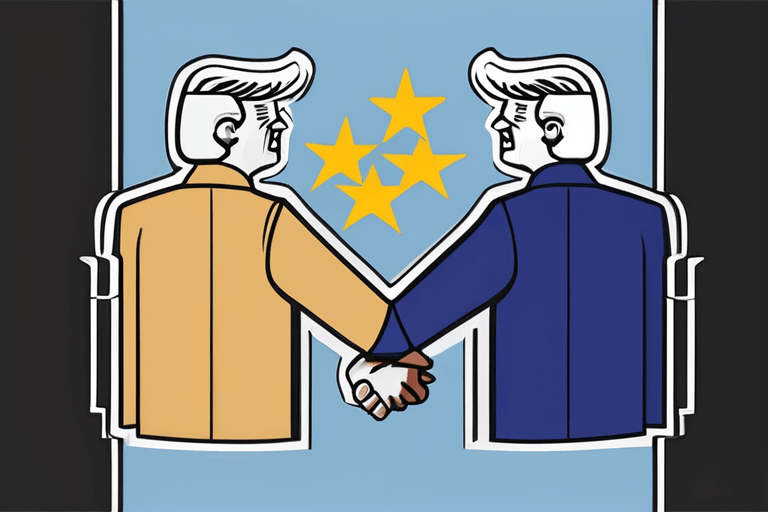
The European Union and the Mercosur bloc of South American nations, comprised of Argentina, Brazil, Paraguay, and Uruguay, formally signed a landmark free trade agreement on Saturday in Asunción, Paraguay, concluding more than 25 years of negotiations. The agreement aims to bolster commercial ties between the two regions amidst rising global protectionism and trade tensions.
The signing is viewed as a significant geopolitical achievement for the EU, particularly as it faces tariffs from the United States and increasing competition from Chinese exports. The deal expands the EU's presence in a resource-rich region where both Washington and Beijing are vying for influence. It also signals South America's intent to maintain diverse trade and diplomatic relationships, even as the U.S. pursues a more assertive role in the Western Hemisphere. Bolivia, the newest member of Mercosur, may join the trade agreement in the future, while Venezuela remains suspended from the bloc and is not included in the accord.
The agreement's origins trace back to the early 1990s, with initial discussions focusing on creating a free trade area between the EU and Mercosur. However, negotiations were frequently stalled due to disagreements over agricultural subsidies, environmental regulations, and market access. The EU, with its highly developed industrial sector, sought access to Mercosur's agricultural markets, while Mercosur aimed to reduce tariffs on its agricultural exports to the EU.
The agreement is expected to gradually eliminate tariffs on a wide range of goods, benefiting both European industries and South American agricultural producers, particularly those in the region's renowned grass-fed cattle industry. Proponents argue that the deal will stimulate economic growth, create jobs, and foster closer political ties between the two regions.
Critics, however, have raised concerns about the potential impact on European farmers, who fear increased competition from South American agricultural imports. Environmental groups have also expressed reservations about the agreement's potential impact on deforestation and environmental standards in the Mercosur countries. These concerns highlight the complex interplay between trade, agriculture, and environmental sustainability in the globalized economy.
The agreement now faces ratification by the European Parliament and the legislatures of the Mercosur member states. This process could take several years, and the agreement's future implementation will depend on the political and economic conditions in both regions. The deal represents a significant step towards closer cooperation between Europe and South America, but its ultimate success will hinge on addressing the concerns of various stakeholders and ensuring that its benefits are shared equitably.




















Discussion
Join the conversation
Be the first to comment