The year is 2026. The undead still roam. And Cillian Murphy, the face that launched a thousand zombie nightmares, is back. But forget the triumphant hero's return, bathed in sunlight and slow-motion glory. Nia DaCosta, the visionary director at the helm of "28 Years Later: The Bone Temple," had something far more… human in mind.
More than two decades after Danny Boyle's "28 Days Later" catapulted Murphy to stardom, the actor's absence from last year's sequel, "28 Years Later," left fans buzzing. Was that gaunt, field-rising zombie him? Boyle himself put the rumors to rest, confirming Murphy's return in DaCosta's film. But the real surprise lies not in if he returns, but how.
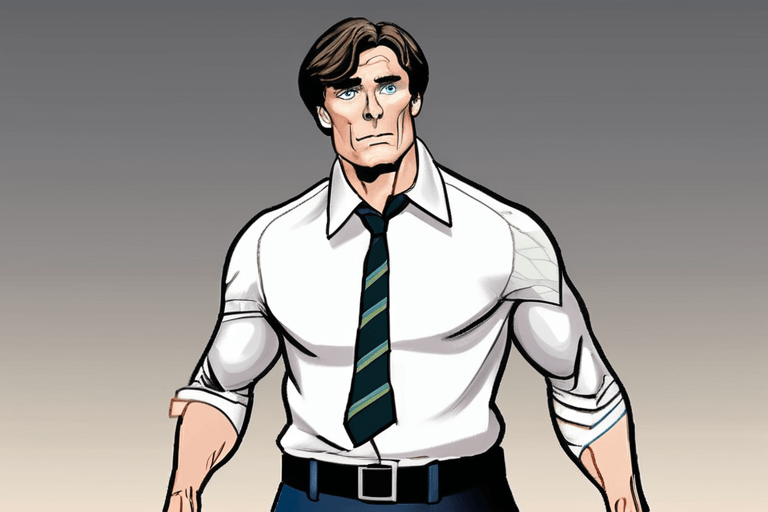
DaCosta, known for her grounded and character-driven approach, reportedly eschewed the typical "superhero moment" for Murphy's re-entry. Instead, sources whisper of a scene steeped in quiet desperation, a moment that emphasizes the psychological toll of survival rather than explosive action. Think less Rambo, more… well, a man profoundly changed by a world gone mad.
This decision speaks volumes about the direction of the "28 Years Later" franchise. It's not just about the adrenaline-pumping chase sequences and gruesome zombie kills; it's about exploring the human condition under unimaginable pressure. It's about the scars, both visible and invisible, that the apocalypse leaves behind.
Industry insiders suggest DaCosta's choice reflects a broader trend in genre filmmaking. Audiences are increasingly craving narratives with emotional depth and relatable characters, even in the midst of fantastical scenarios. The success of shows like "The Last of Us," which prioritizes character development and poignant storytelling, proves that audiences are hungry for more than just cheap thrills.
"The beauty of '28 Days Later' was always its raw, visceral portrayal of humanity pushed to its limits," says film critic Sarah Chen. "A 'big return' for Murphy would have felt tonally inconsistent. DaCosta's approach suggests a deeper understanding of what made the original so impactful."
The cultural impact of "28 Days Later" is undeniable. It revitalized the zombie genre, injecting it with a frenetic energy and a chillingly realistic premise. The image of a deserted London, overrun by rage-infected hordes, remains seared into the collective consciousness. Murphy's performance as Jim, the bicycle courier who awakens to this nightmare, was a crucial element of the film's success.
As "The Bone Temple" prepares to unleash its horrors upon the world, the anticipation is palpable. DaCosta's decision to prioritize a "grounded" return for Murphy signals a bold and potentially game-changing direction for the franchise. It's a move that promises to deliver not just scares, but also a profound exploration of what it means to be human in the face of utter devastation. The question now is, are audiences ready for a zombie movie that makes them think as much as scream?













Discussion
Join the conversation
Be the first to comment