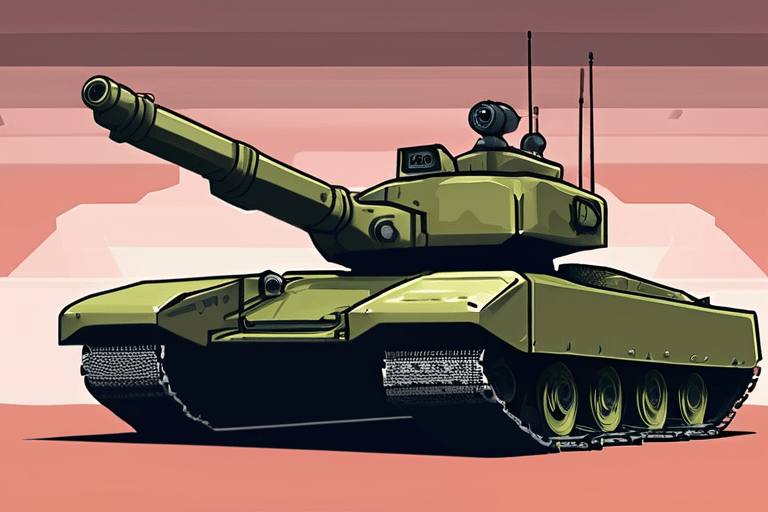
A video released in late October by DeepState, a Ukrainian organization monitoring battlefield developments, showed what military analysts described as a Russian "Frankenstein tank" in southeastern Ukraine, surviving approximately two dozen drone strikes before ultimately being disabled. The incident, verified by The New York Times, underscores the increasing significance of drones in modern warfare and raises questions about the Russian military's ability to adapt to this evolving technological landscape.
The video depicted a tank encased in roughly welded metal plates, seemingly an attempt to provide additional protection against drone attacks. Despite this improvised armor, the tank eventually succumbed to a final drone strike, forcing the crew to evacuate under fire. This event highlights a key trend in the conflict: the ability of relatively inexpensive drones to neutralize significantly more expensive and sophisticated military hardware, as well as personnel.
Military analysts suggest that the Russian military is struggling to effectively counter the proliferation of drones on the battlefield. Ukraine has increasingly relied on drones for reconnaissance, targeting, and direct attacks on Russian armor and troop positions. The use of drones offers a distinct advantage, providing real-time intelligence and the ability to strike targets with precision, often at a lower cost and with less risk to personnel compared to traditional artillery or air strikes.
The challenge for the Russian military lies in developing effective countermeasures against these drone threats. These countermeasures could include electronic warfare systems designed to jam or disrupt drone signals, air defense systems capable of intercepting drones, and improved camouflage and concealment techniques to reduce drone detection. The "Frankenstein tank" itself represents one such attempt at adaptation, albeit a seemingly crude and ultimately unsuccessful one.
The implications of this "drone age" extend beyond the immediate conflict in Ukraine. The increasing accessibility and affordability of drone technology are transforming warfare, potentially leveling the playing field between states with advanced military capabilities and those with fewer resources. This shift raises concerns about the future of conventional military power and the potential for increased instability and conflict in various regions around the world.
Neil MacFarquhar, former Moscow bureau chief for The New York Times and a reporter covering the Ukraine war since 2022, noted that the conflict has become a testing ground for new military technologies, with drones playing a particularly prominent role. He added that the effectiveness of drones in Ukraine is likely to influence military doctrine and procurement decisions in countries around the globe.
As the conflict continues, both sides are likely to further develop and refine their drone capabilities and countermeasures. The ongoing evolution of drone technology and its impact on the battlefield will continue to be a critical factor in shaping the course of the war and the future of military conflict.


















Discussion
Join the conversation
Be the first to comment